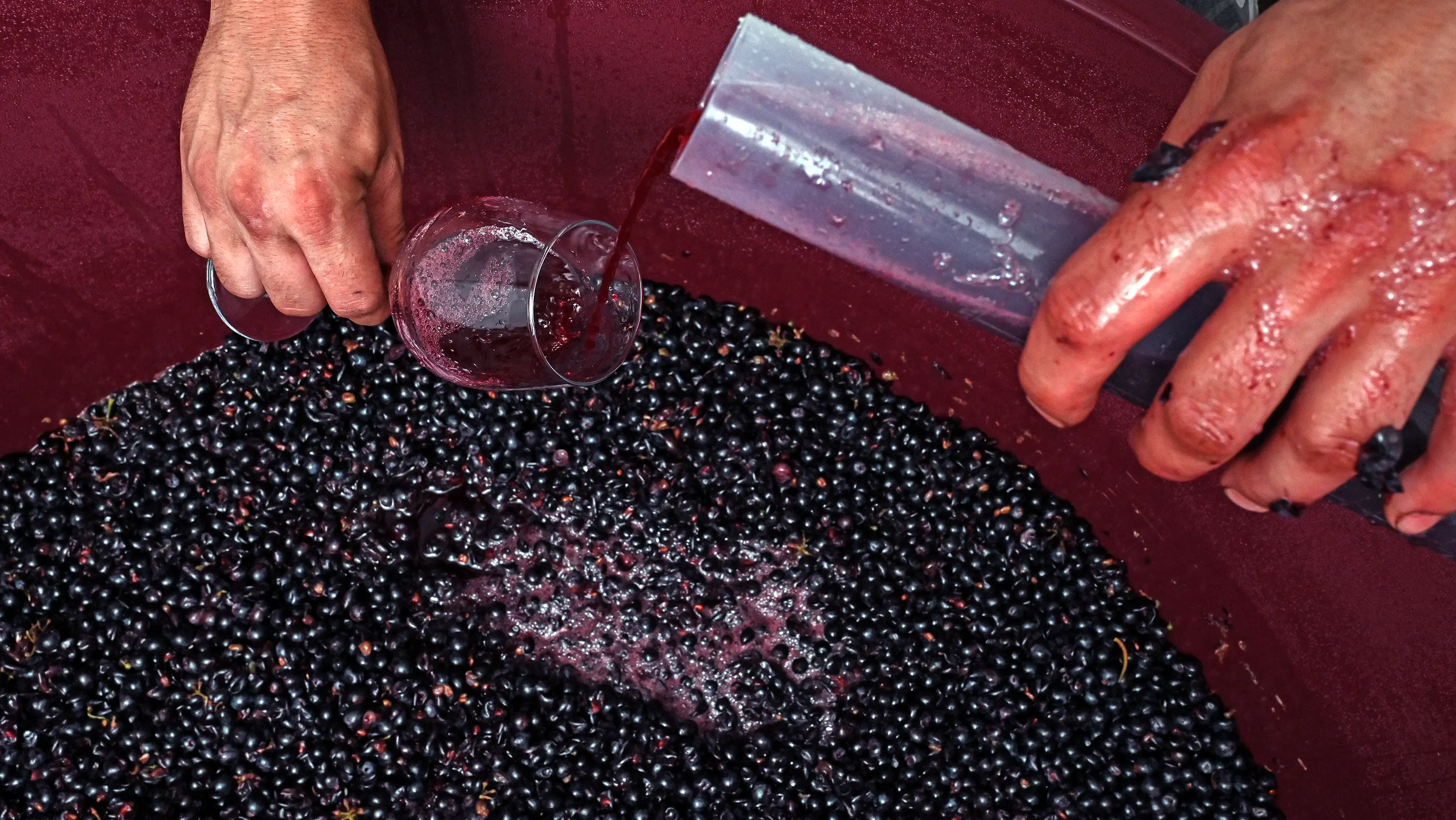
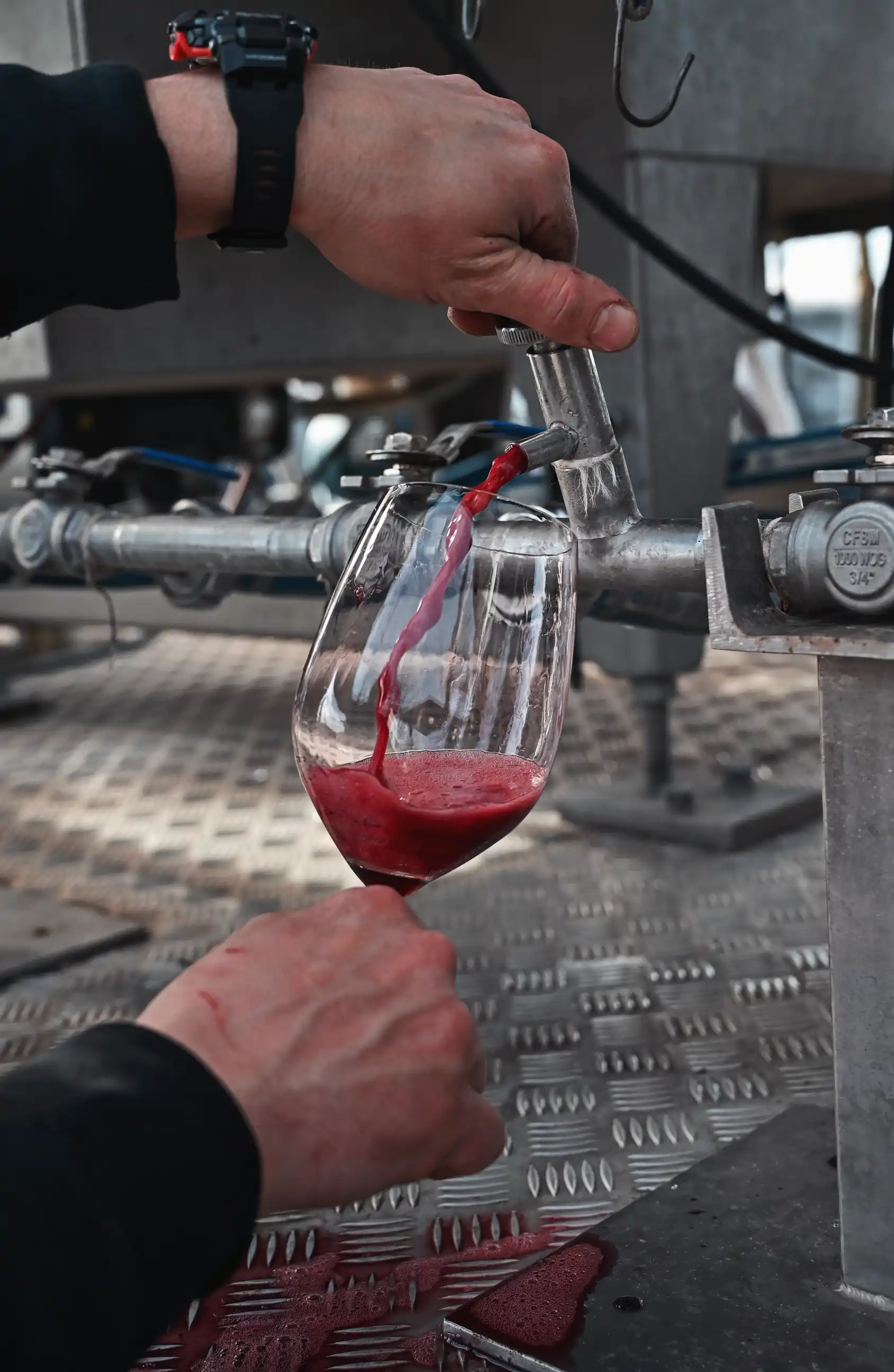
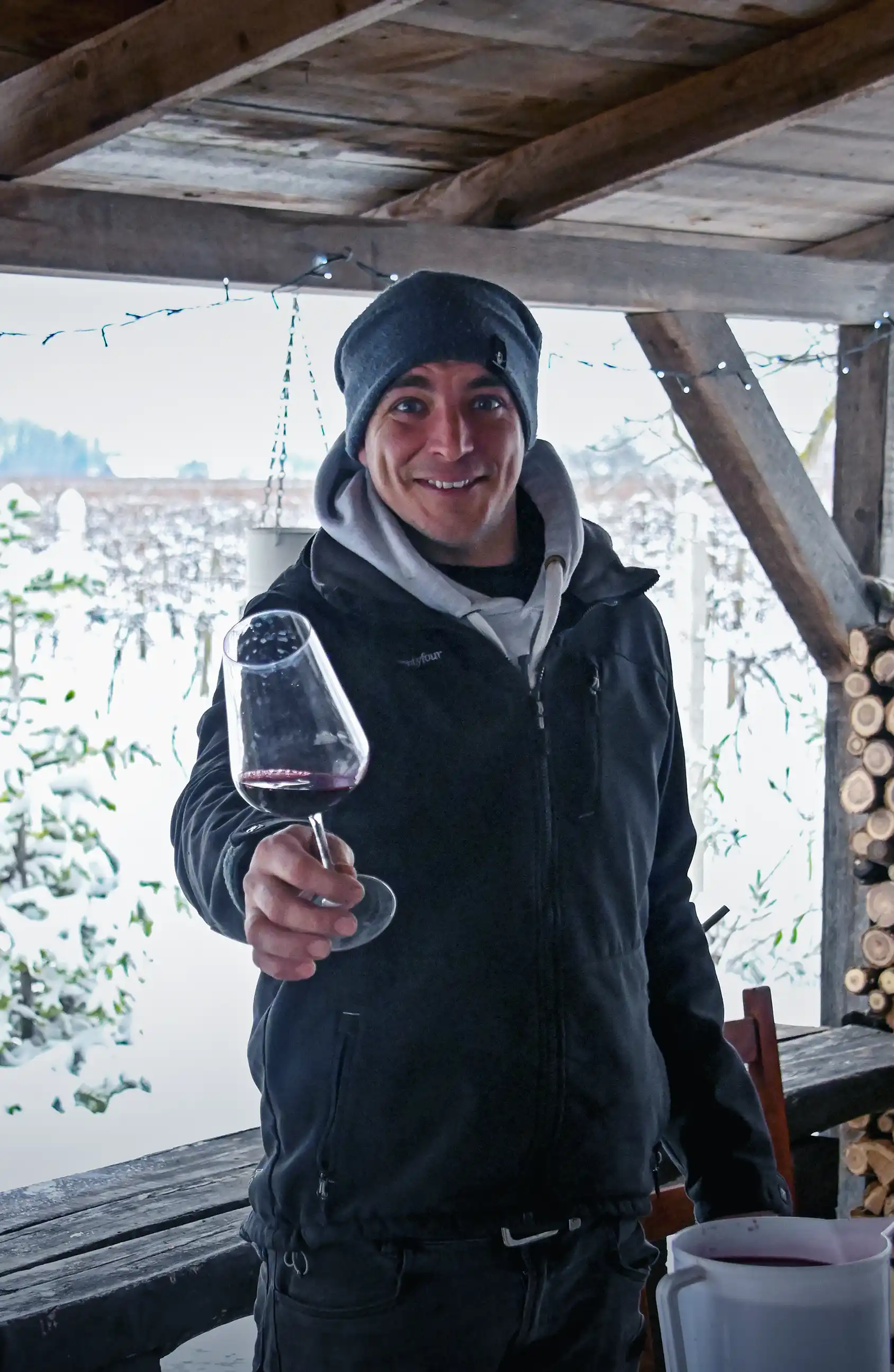
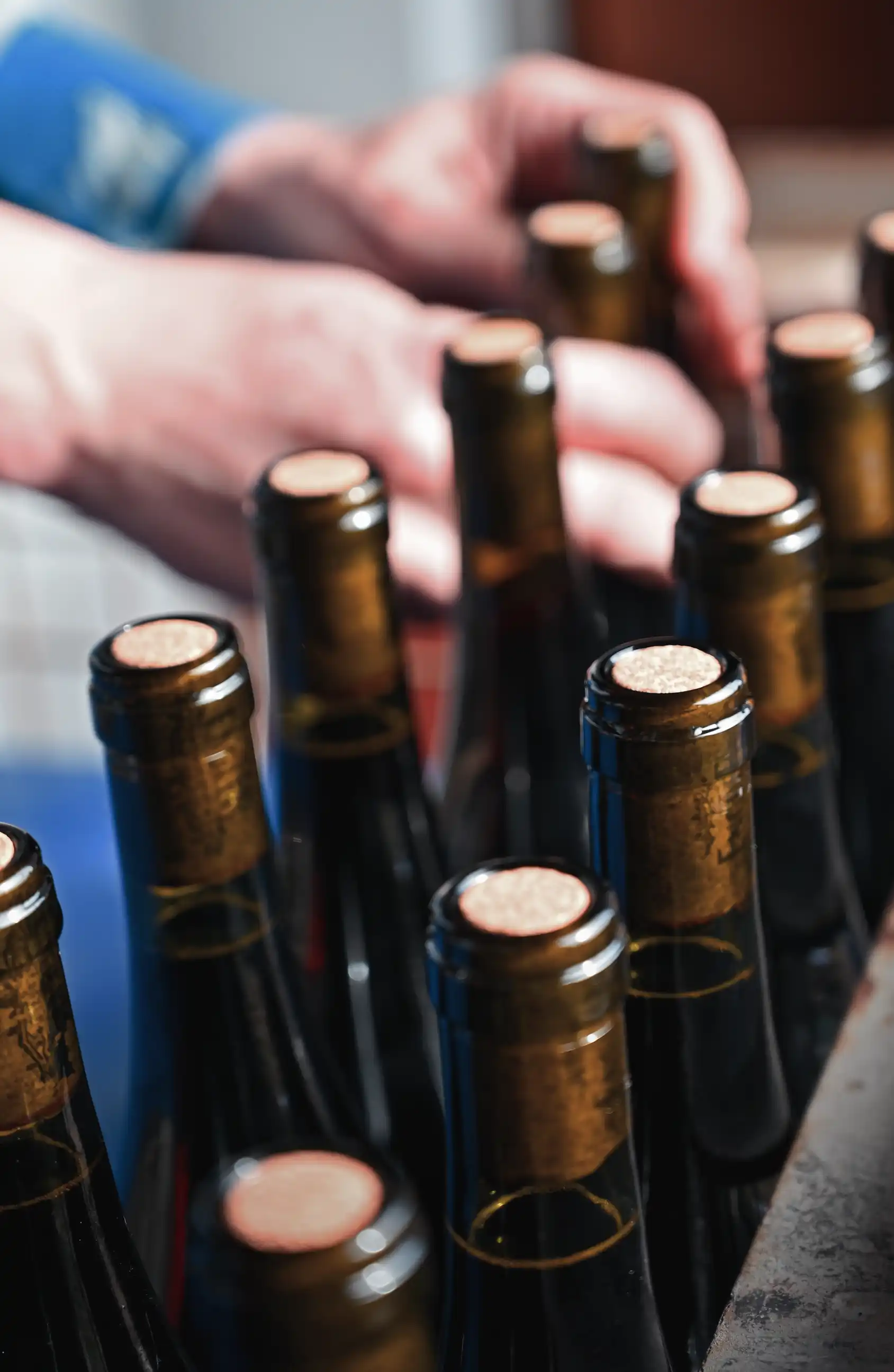
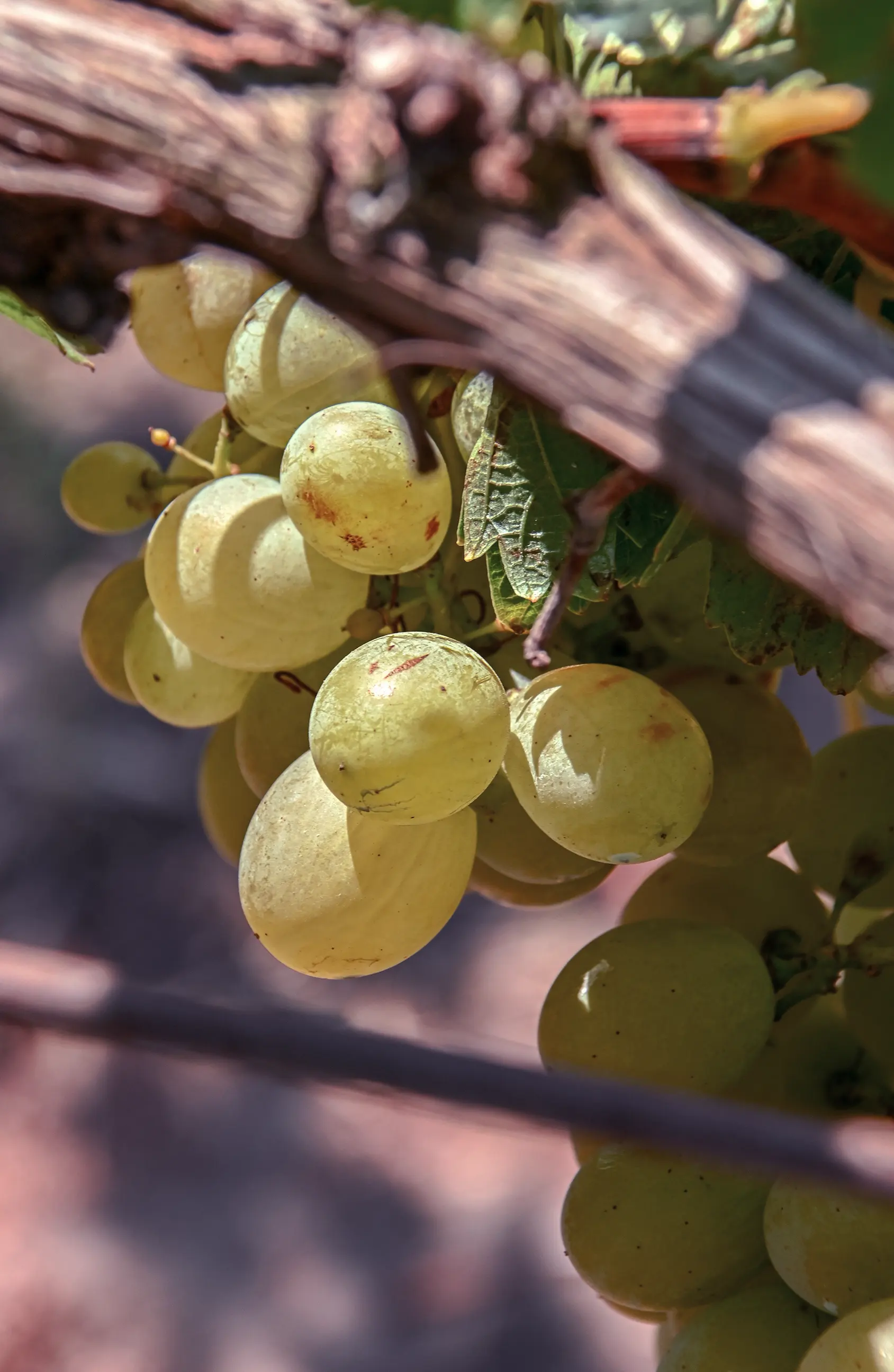
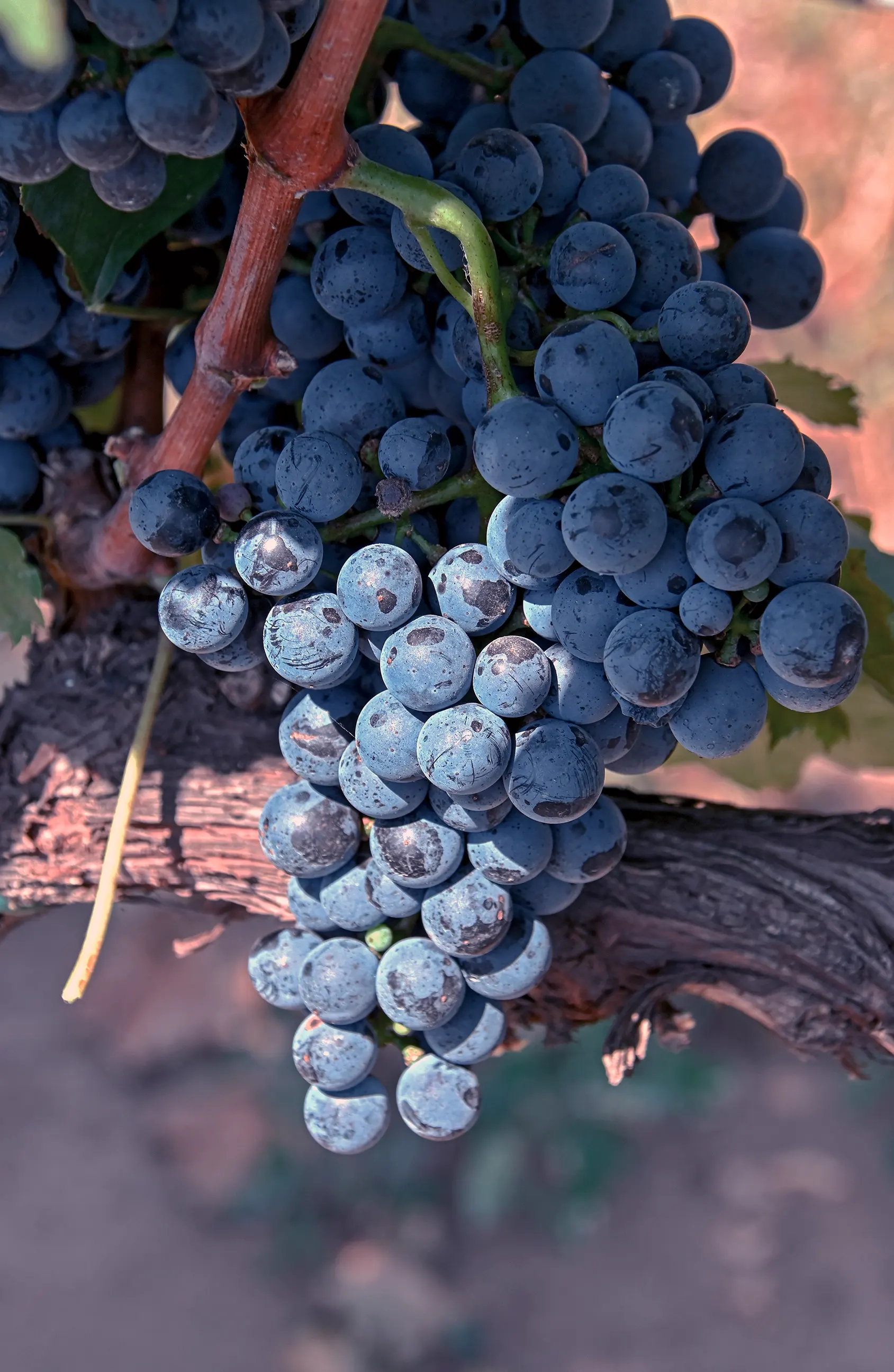
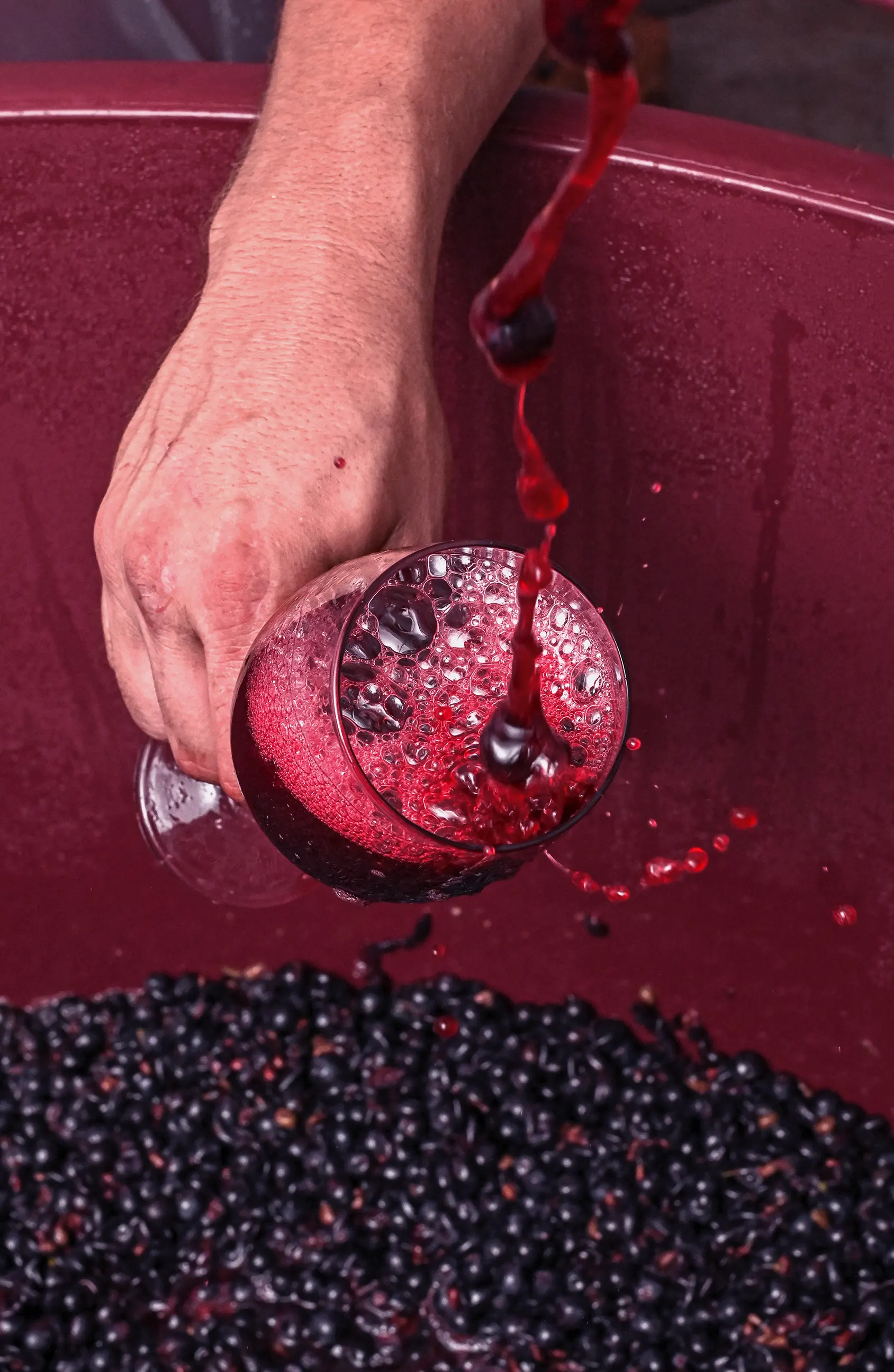
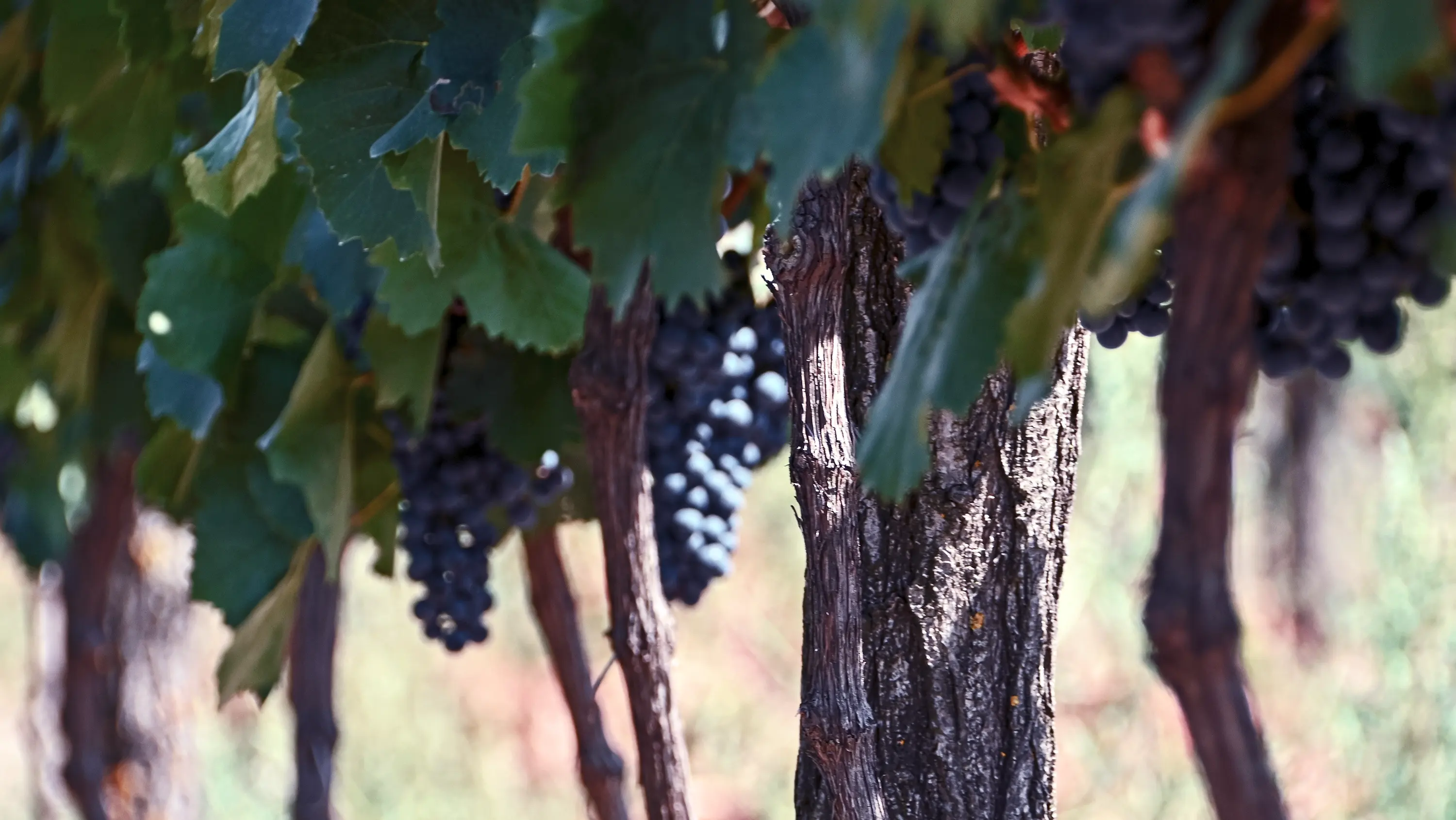
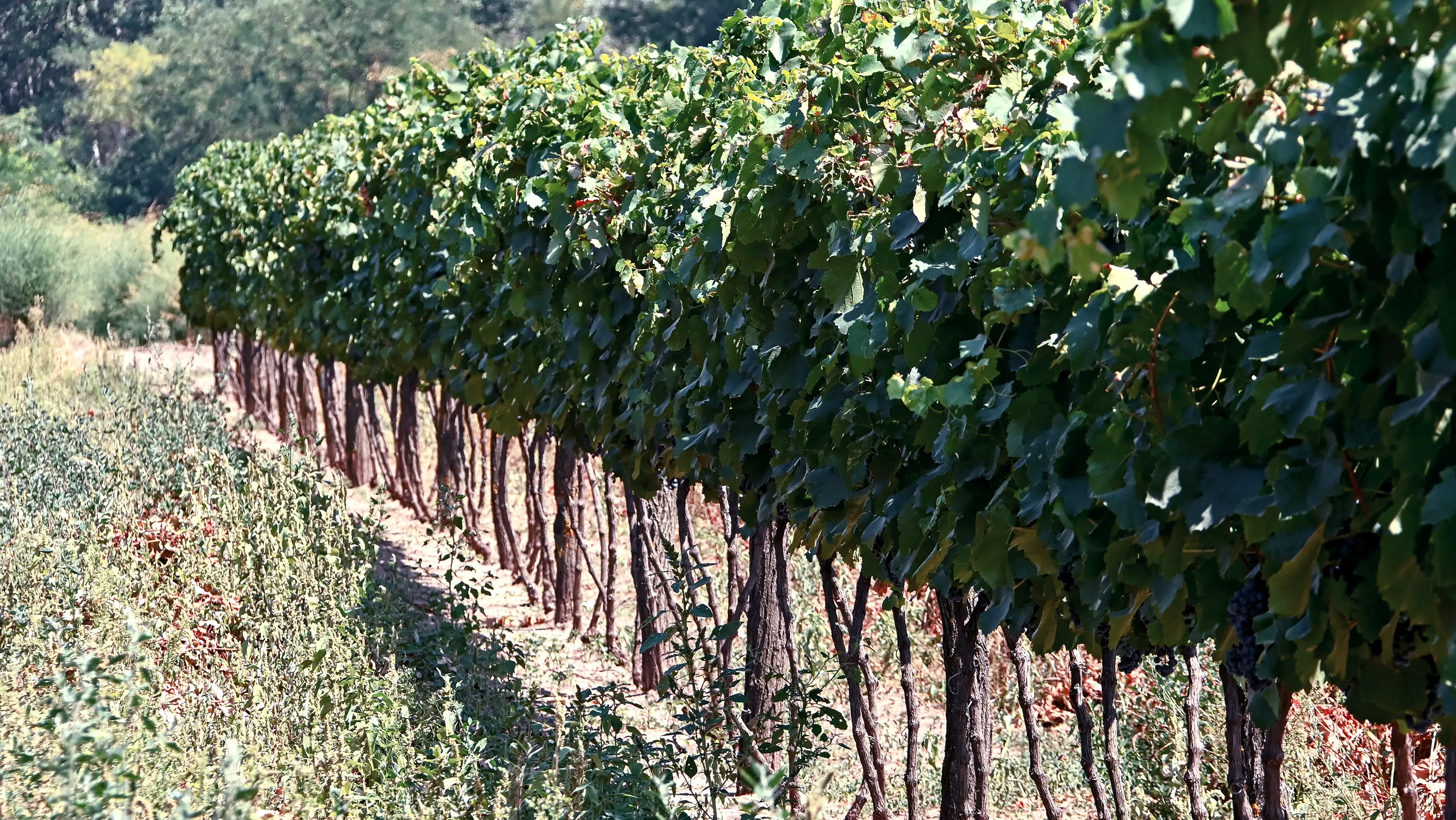
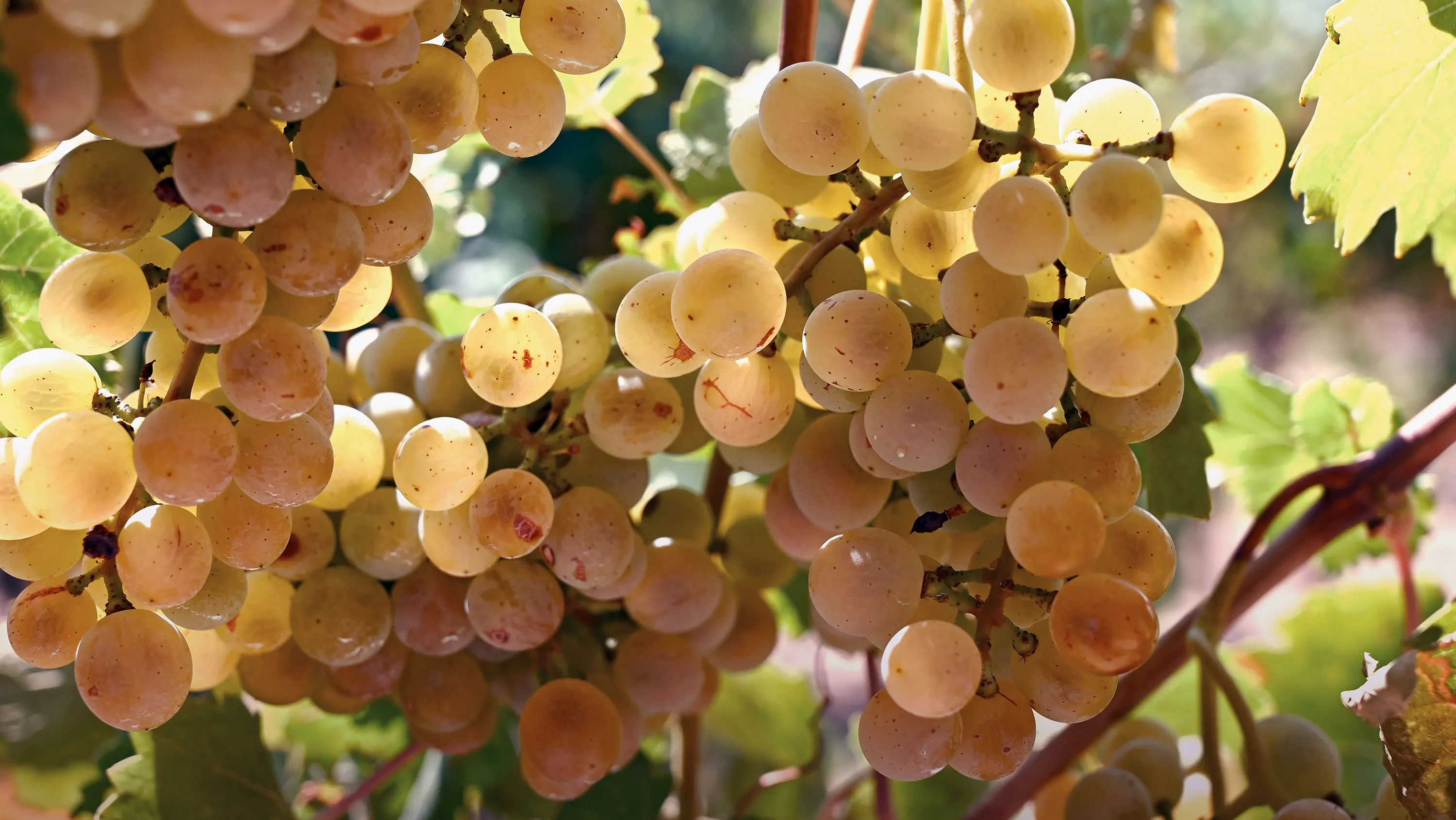
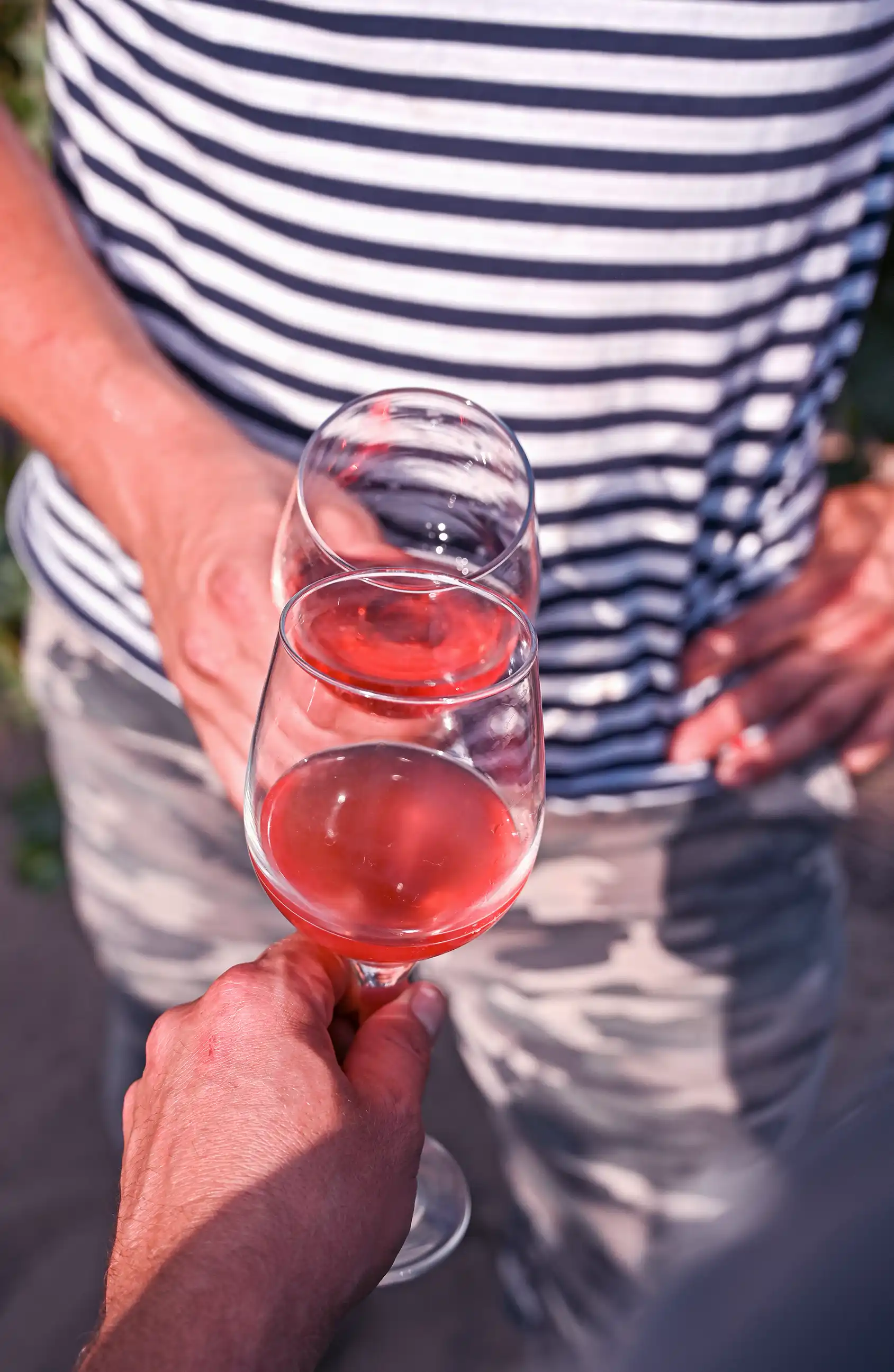
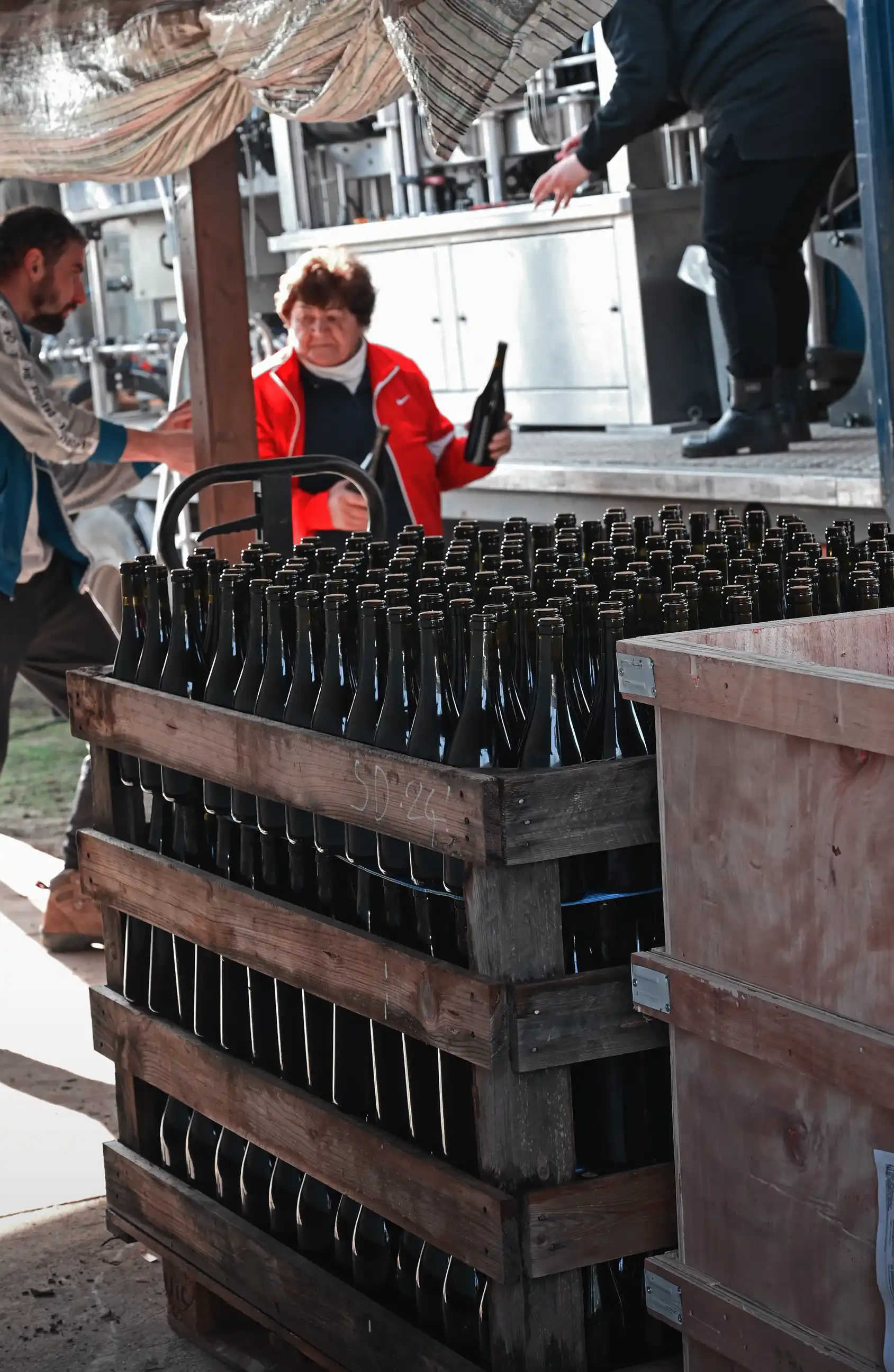
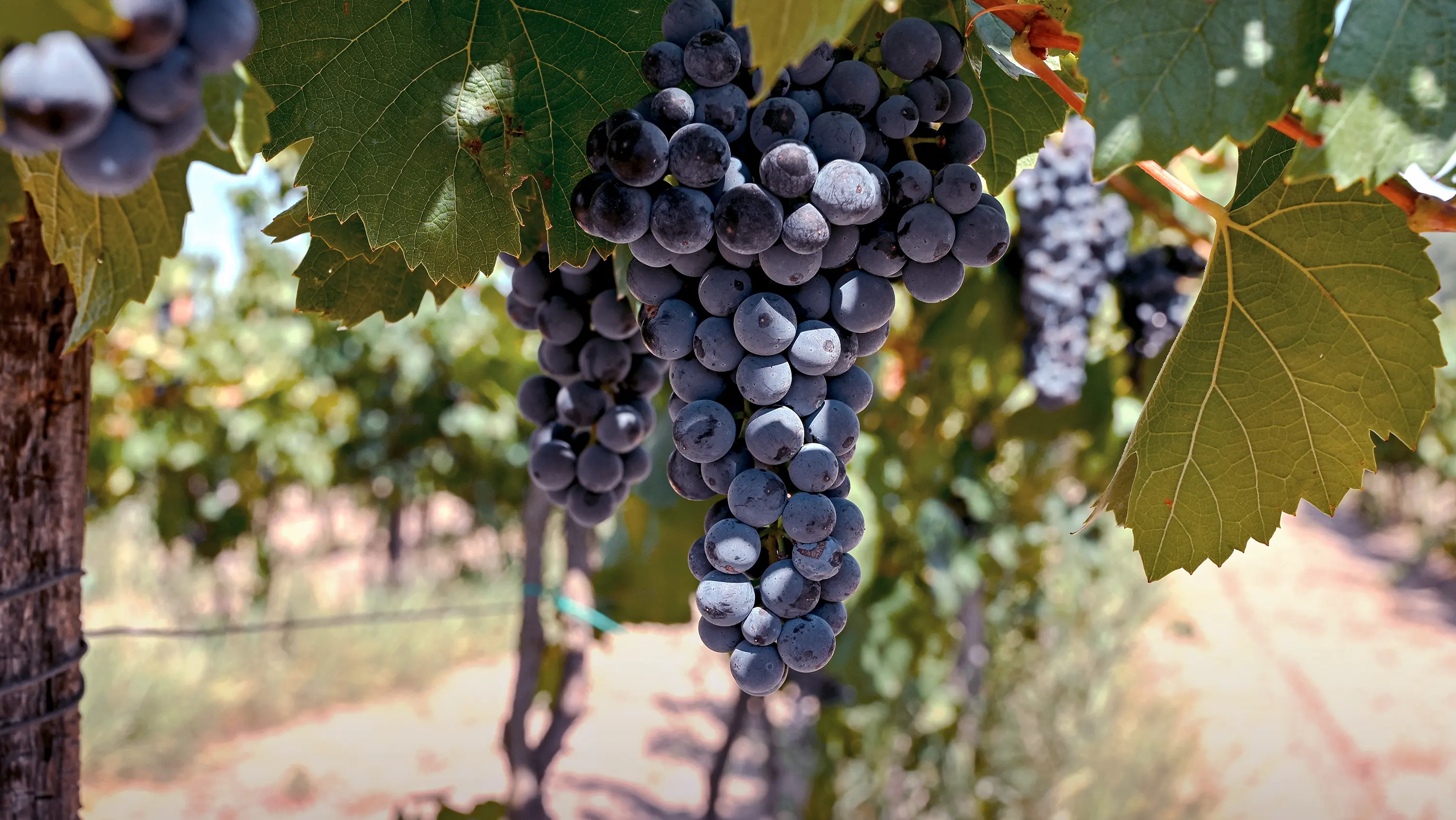
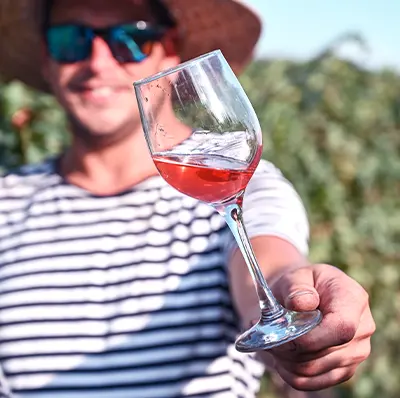
Our wines are made in chemical-free farming, with spontaneous fermentation. The everyday life of our winery has been shaped by global adventures born from Hungarian soil.
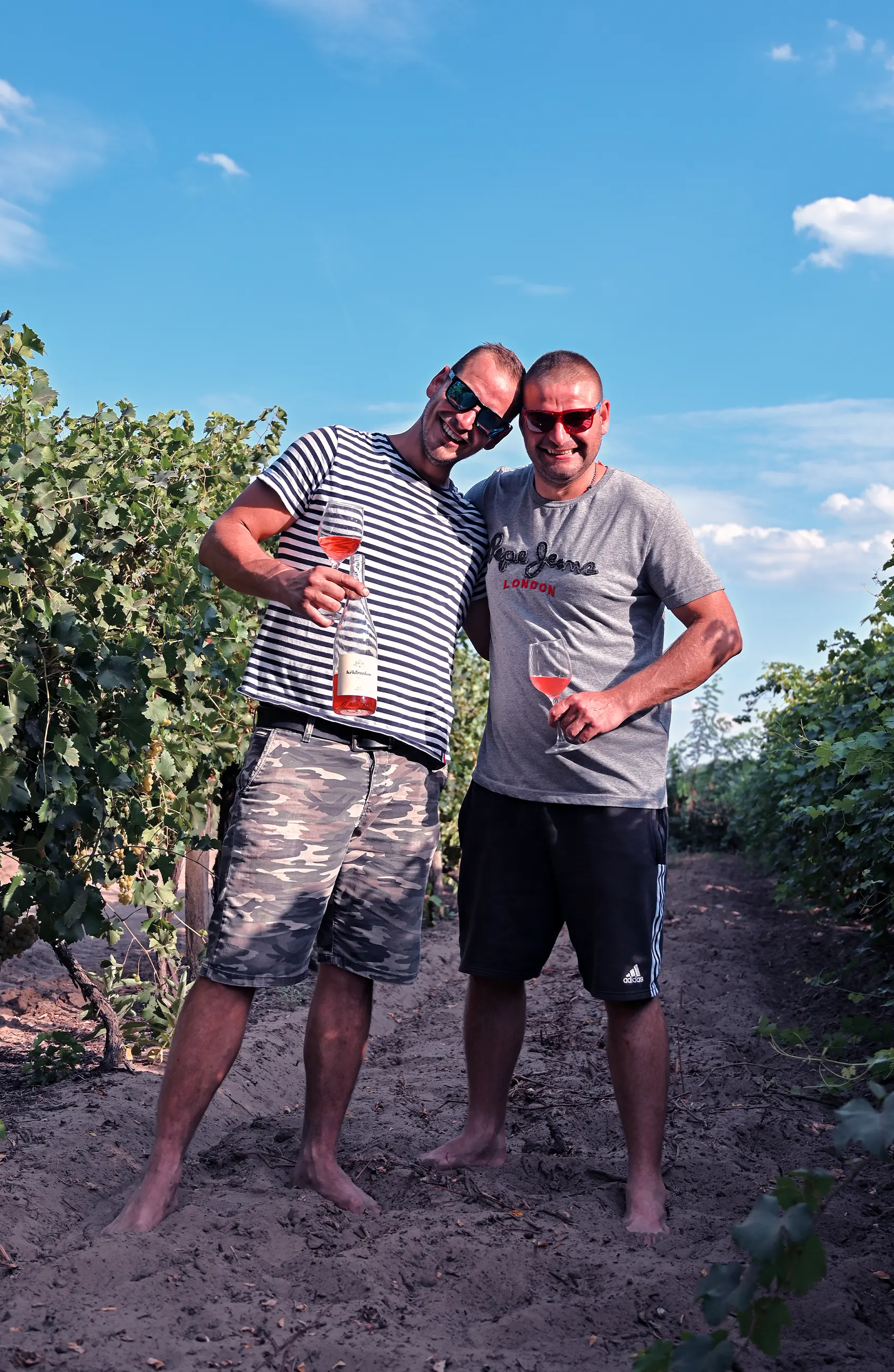
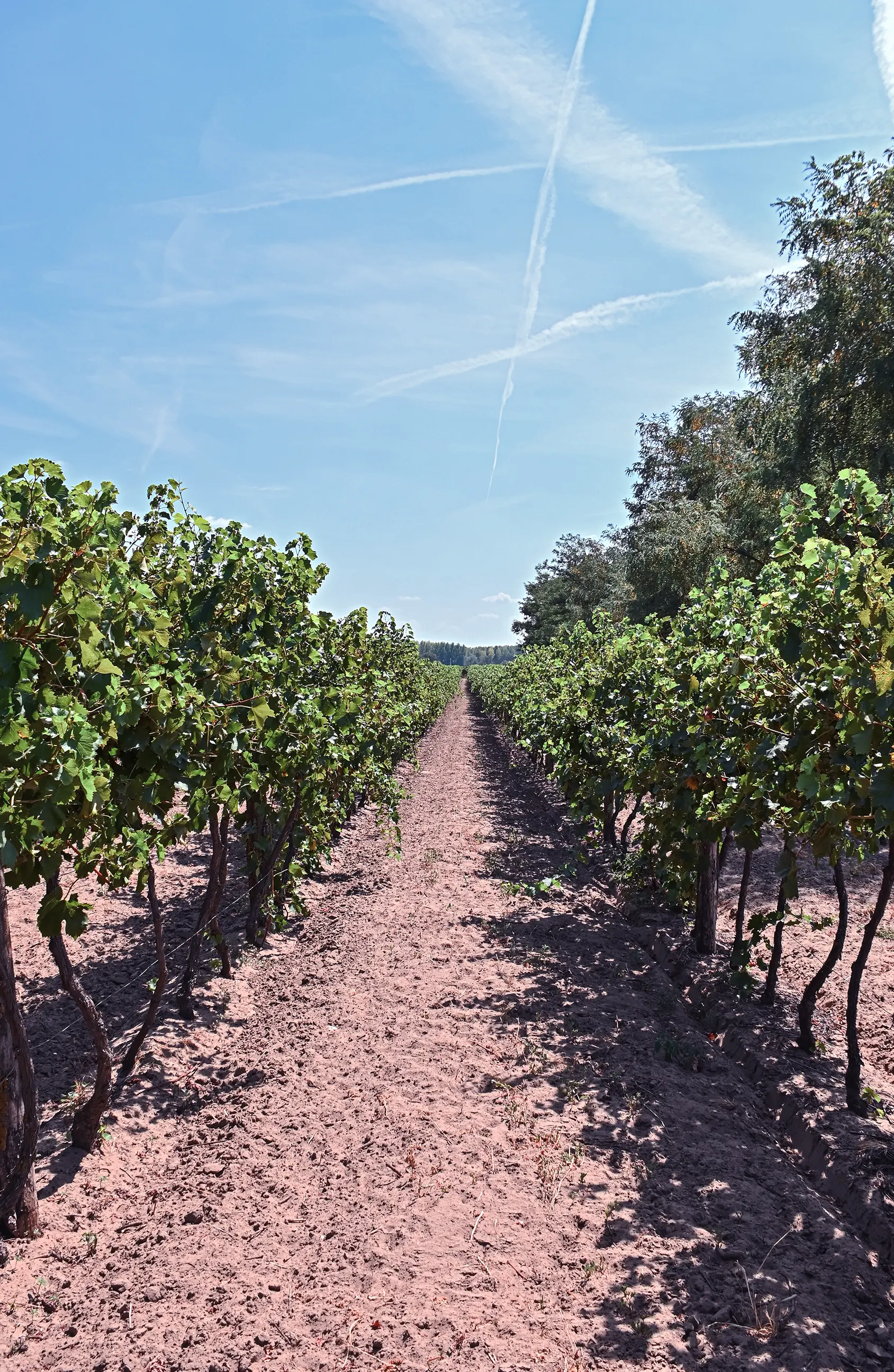
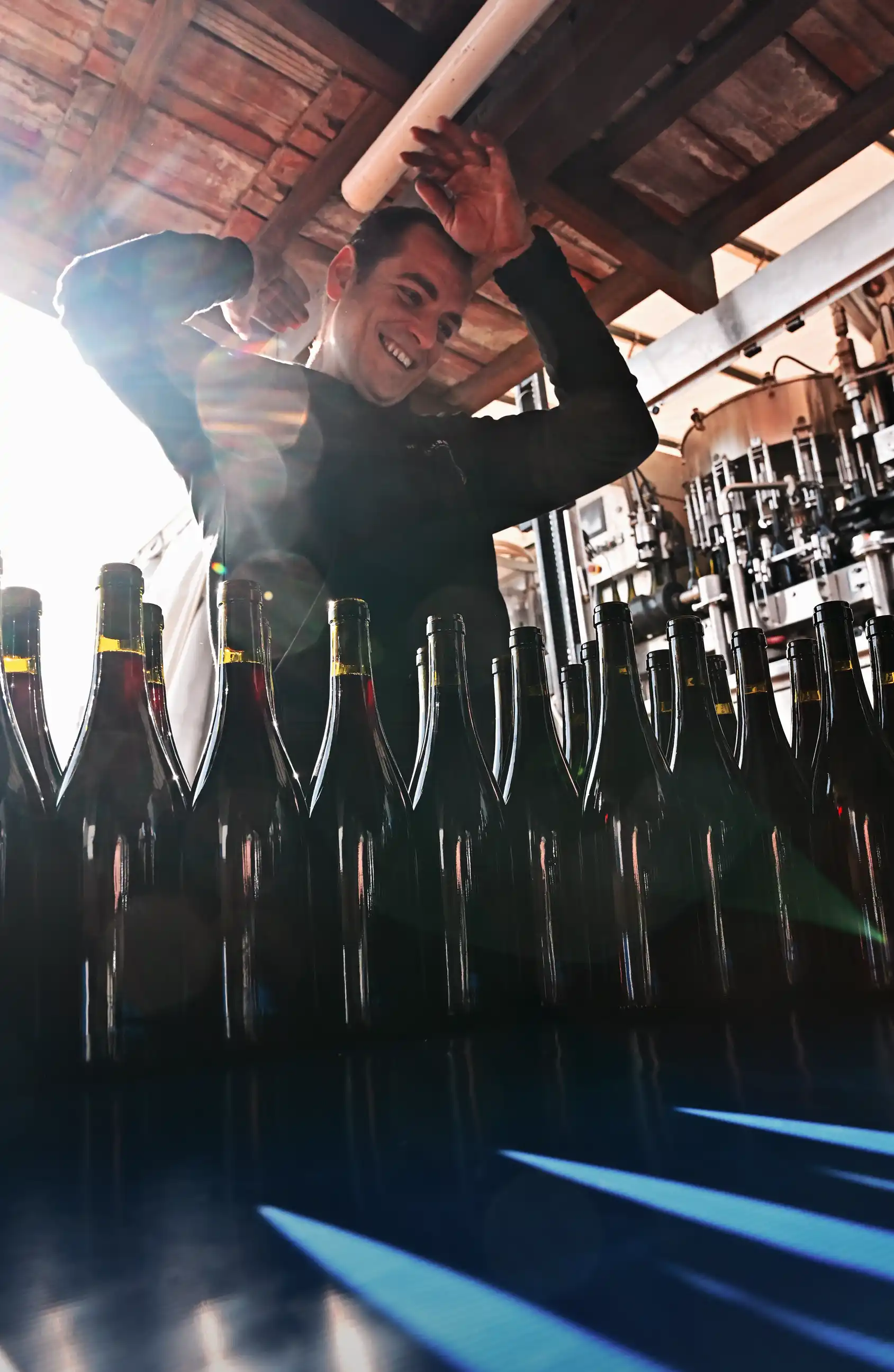
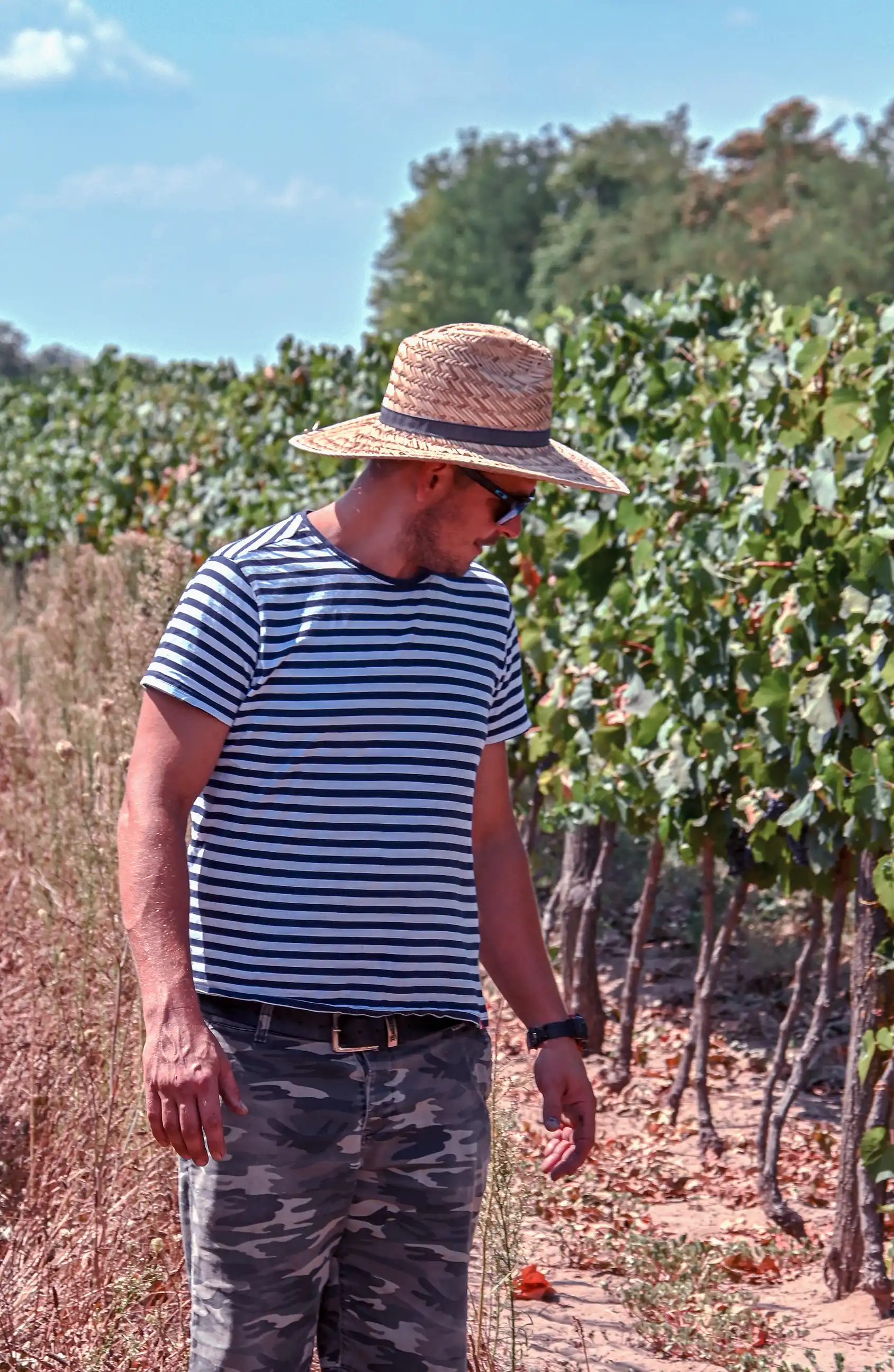
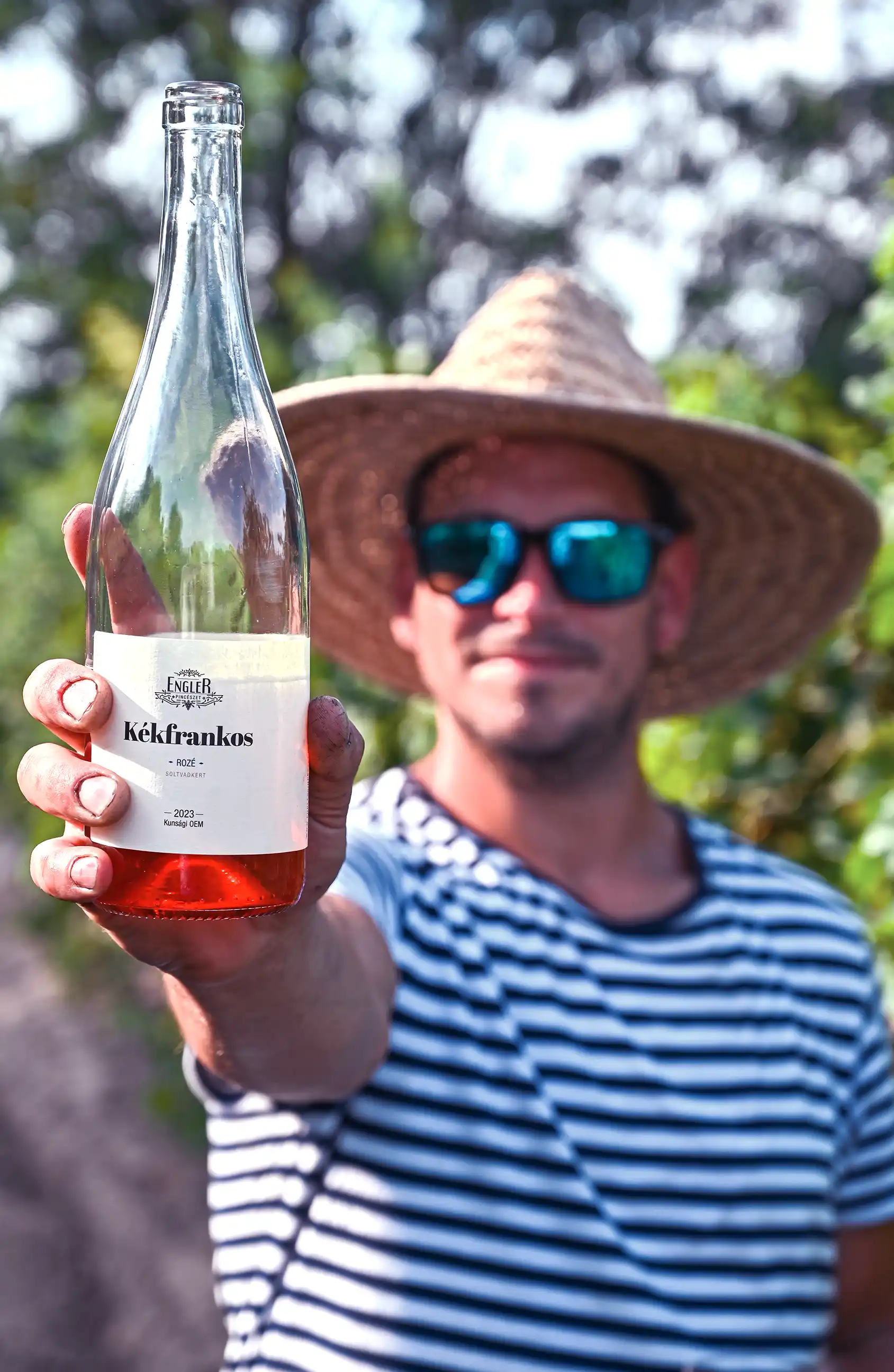
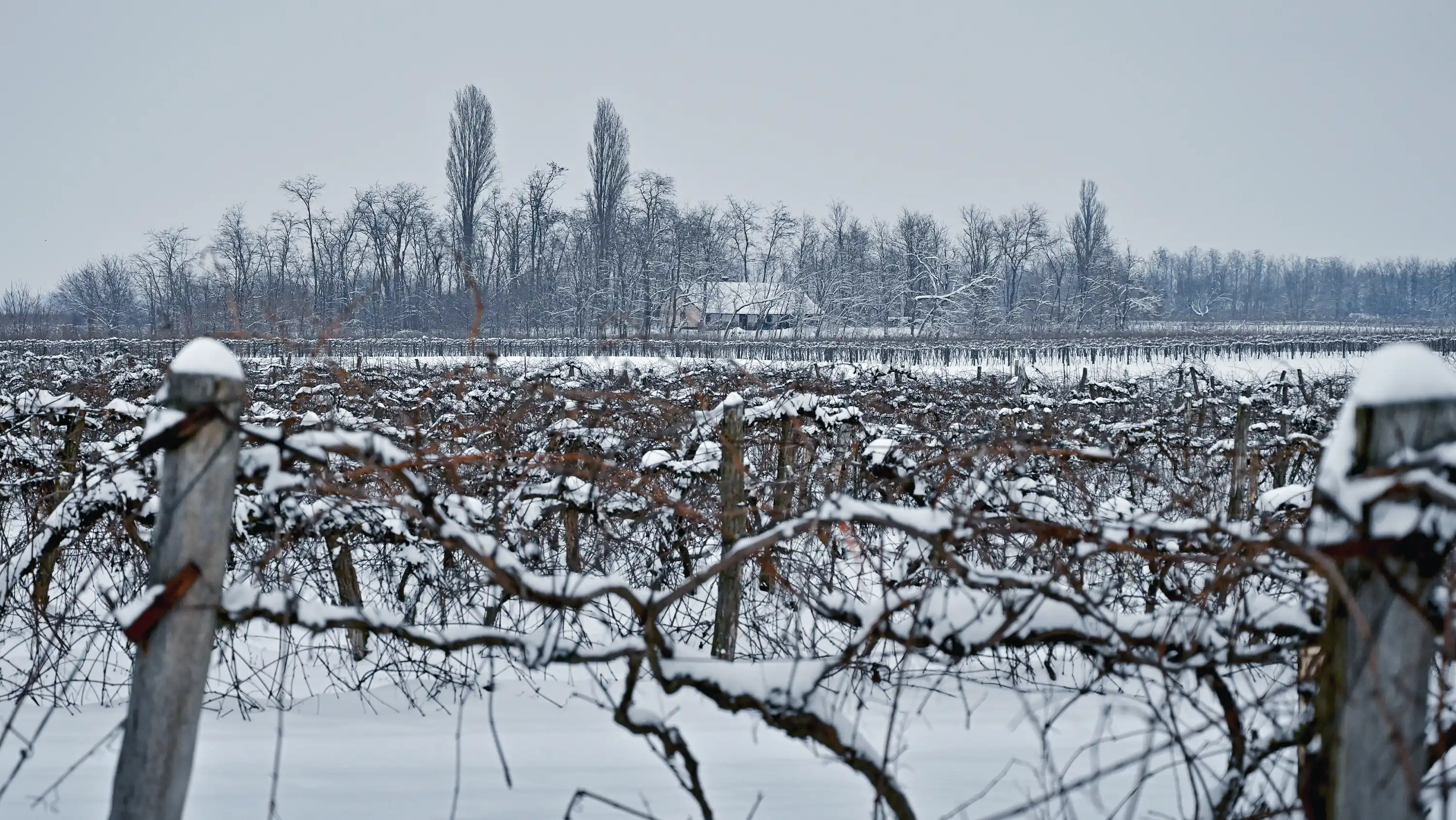
- My parents, grandmother and brother spent their entire lives tending this 12-hectare estate in the heart of Kunság. I was naturally curious, so I roamed. I made wine in the Netherlands, New Zealand, Tokaj and the Ahr Valley in Germany.
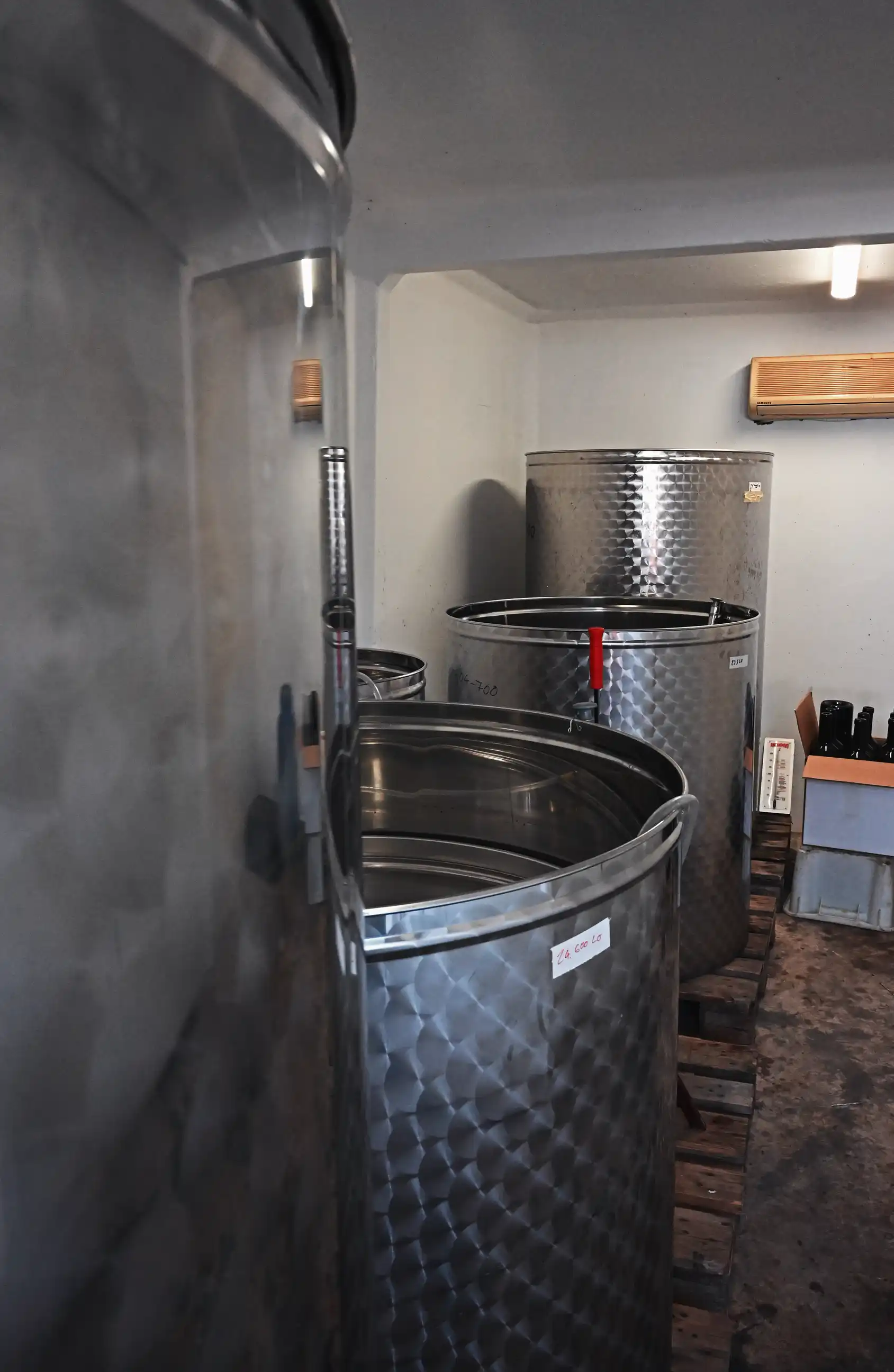
- Every vintage taught me something new – but home always called me home. Now I am back and I bring these lessons to our family vineyards with a little wild enthusiasm and a lot of love for natural wine. In addition to eco-farming, I try to bring modern winemaking trends based on traditional foundations.
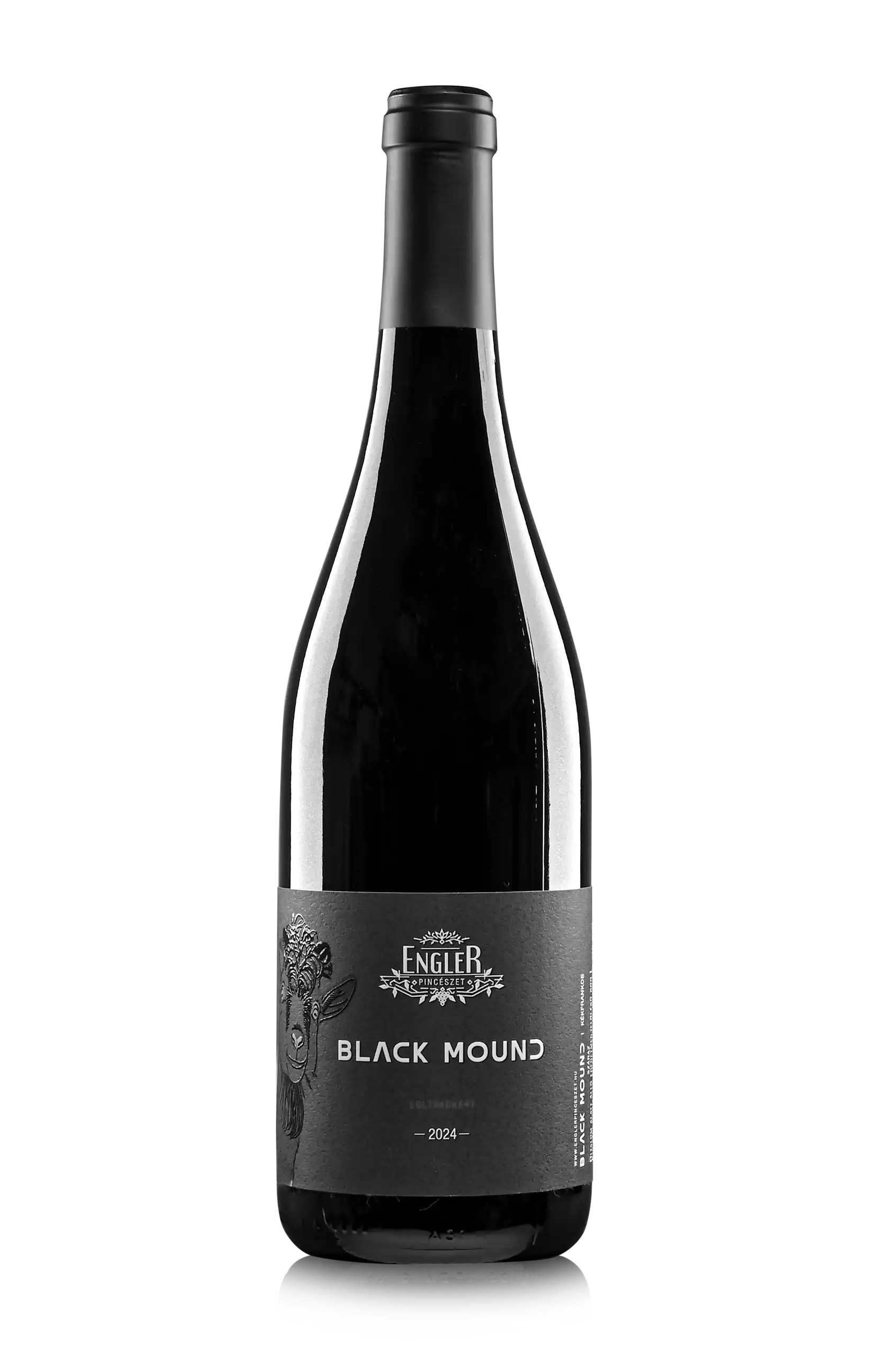
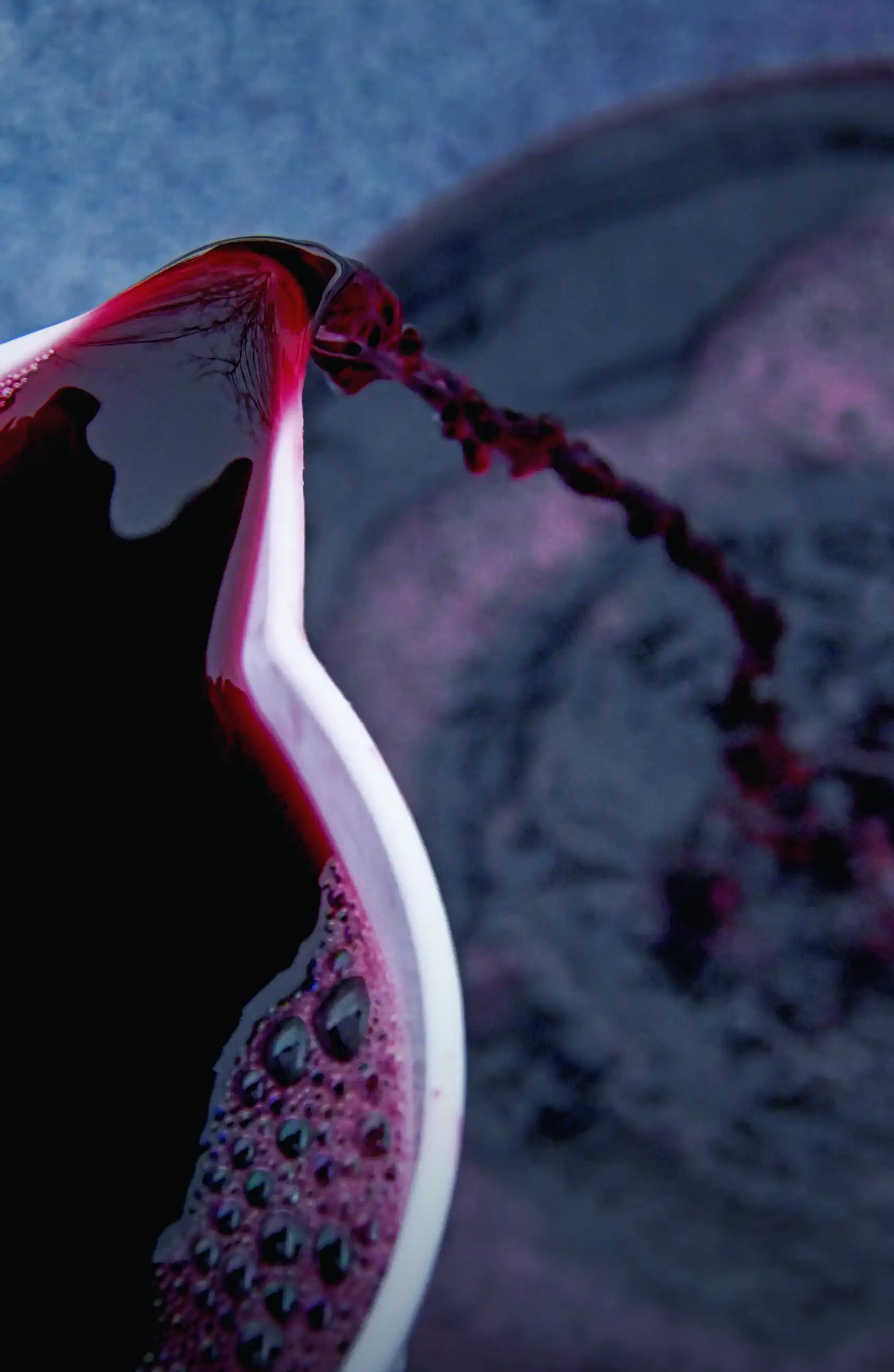
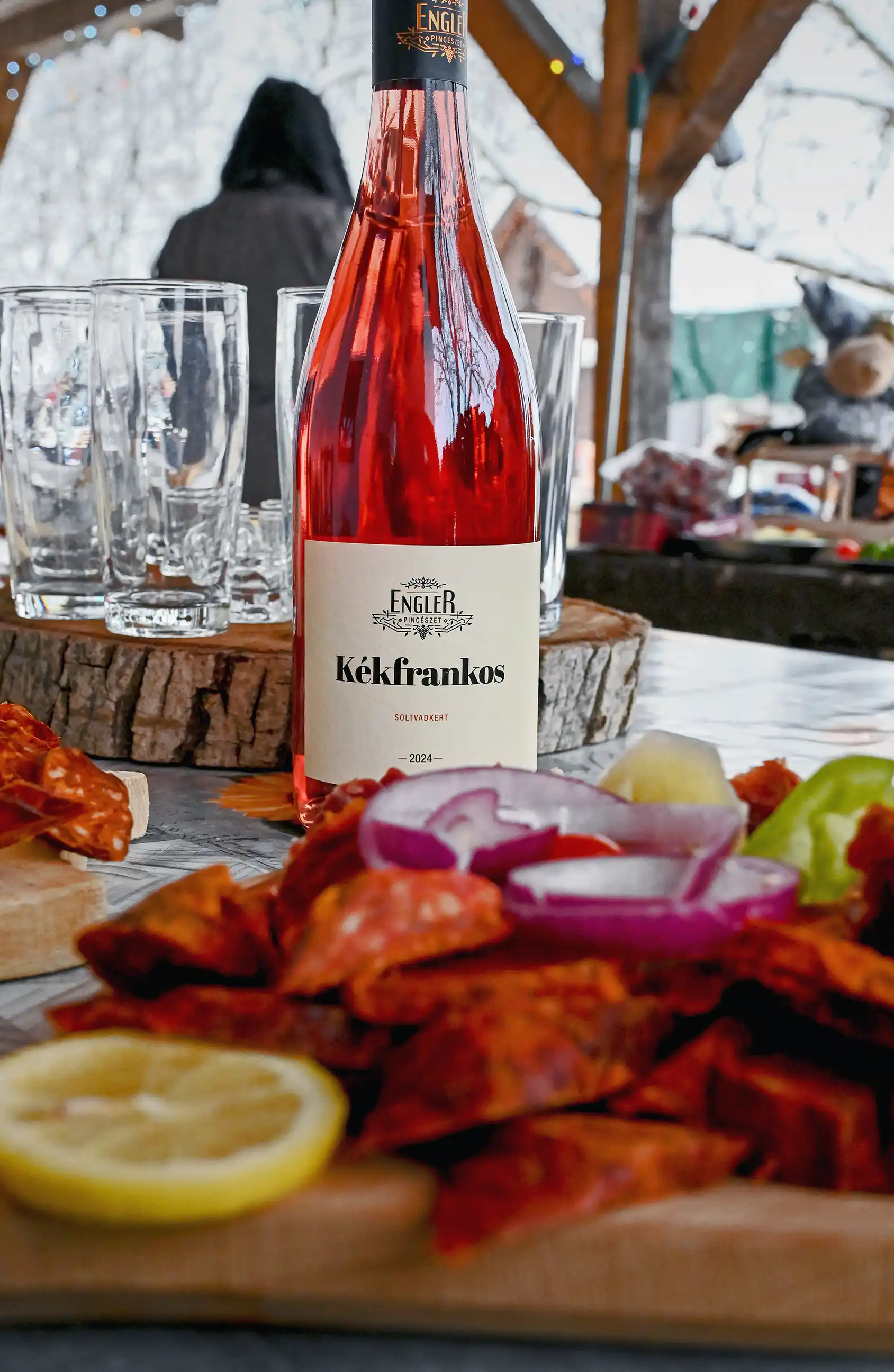
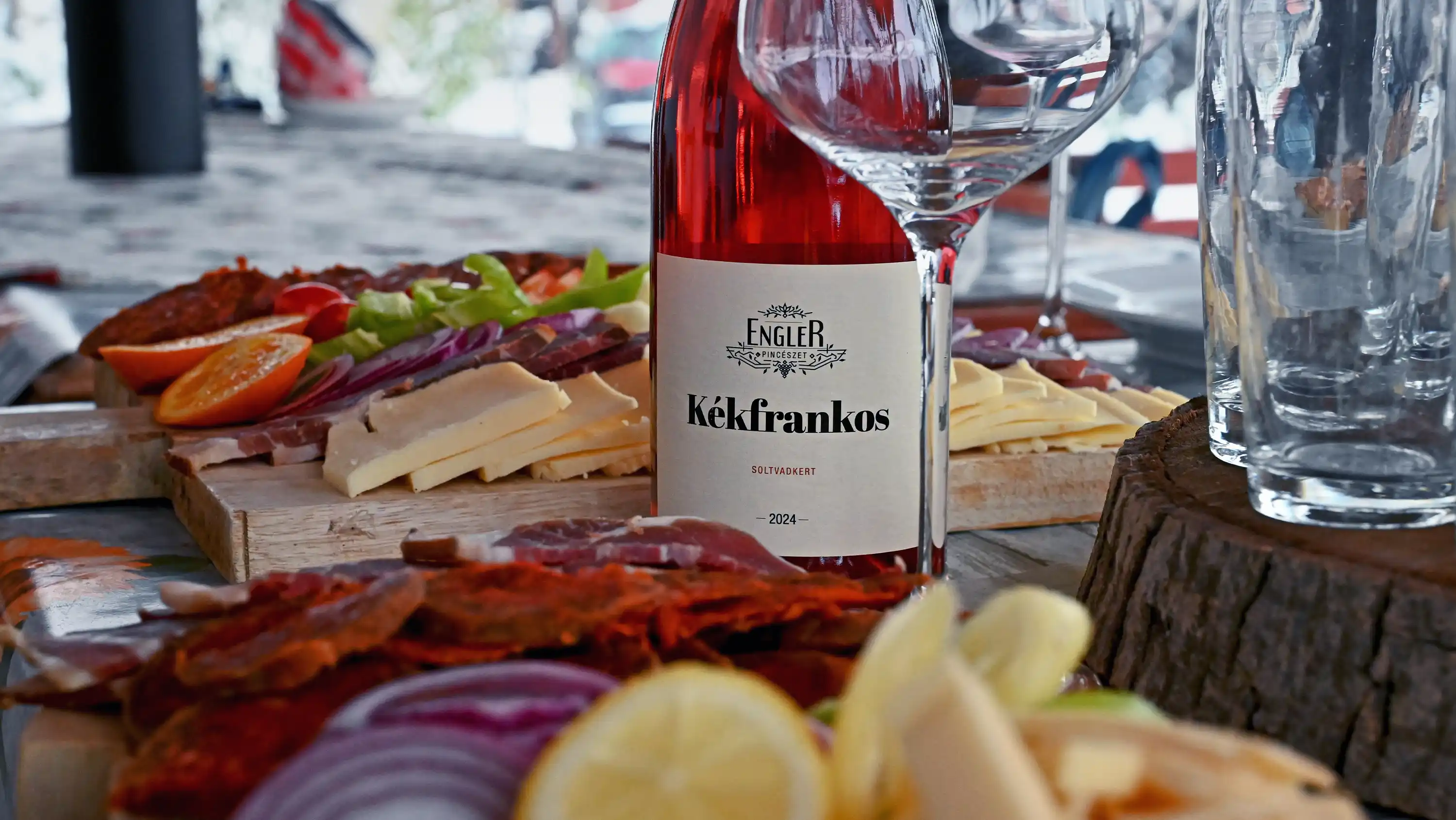
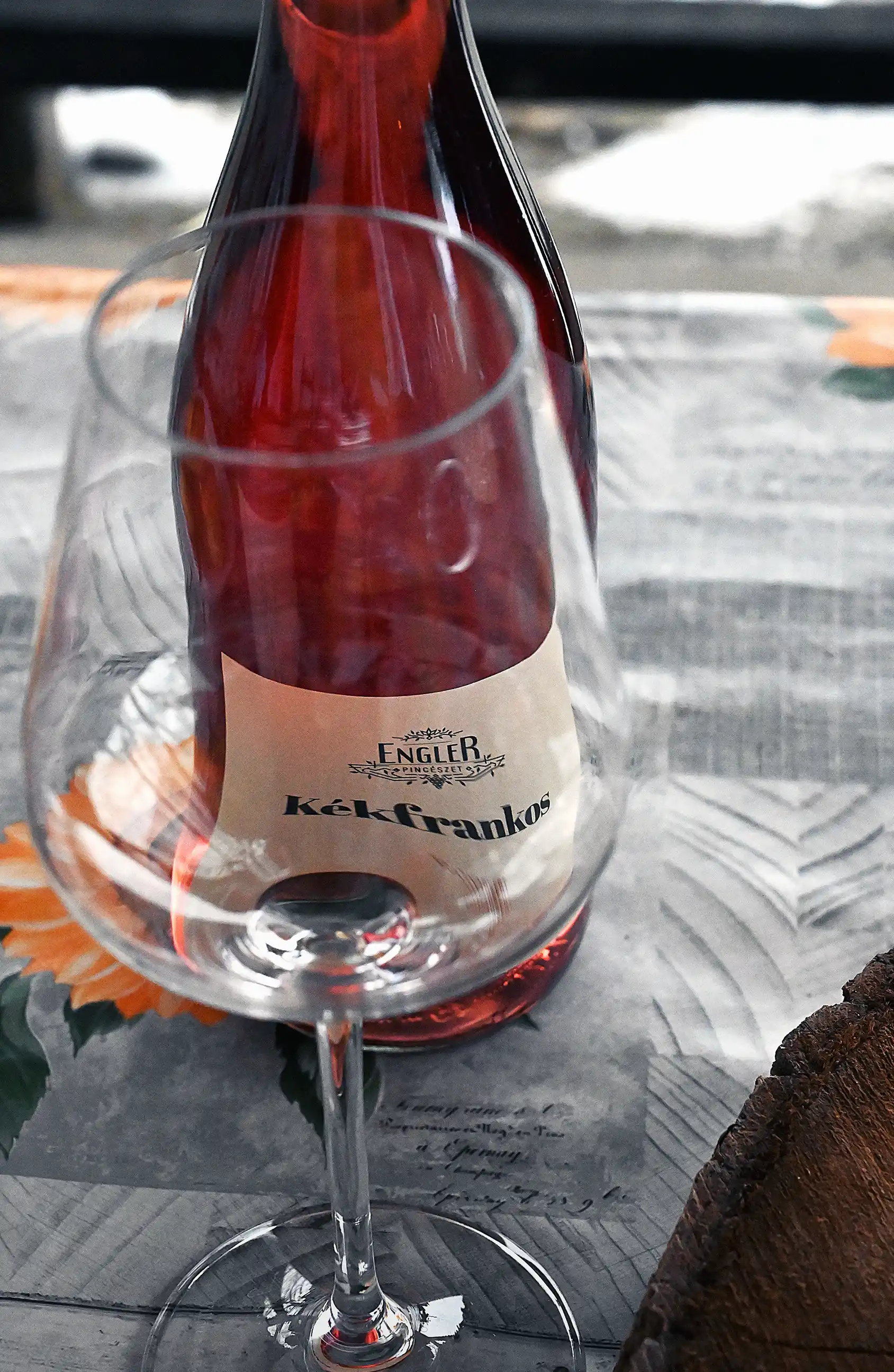
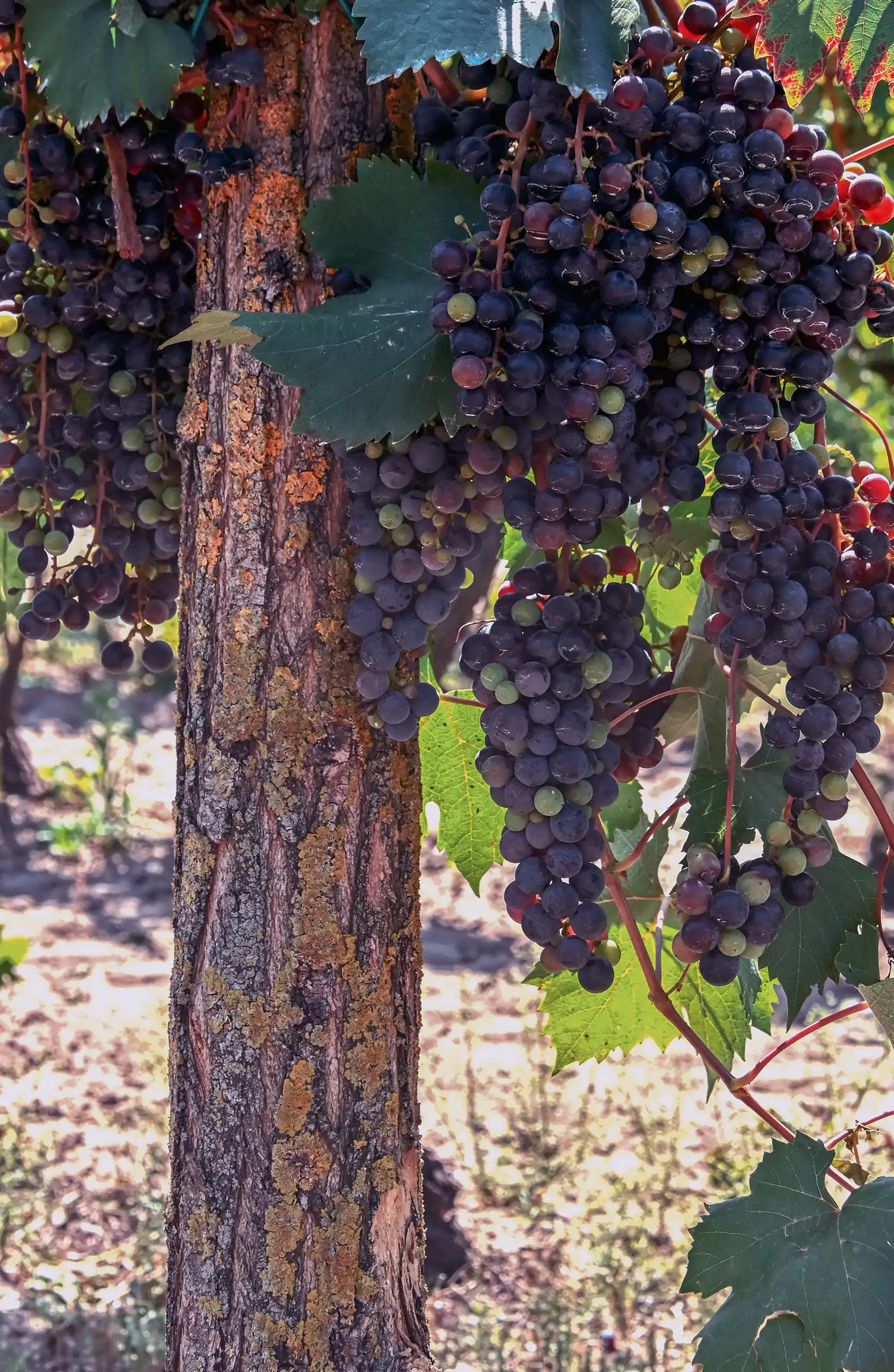
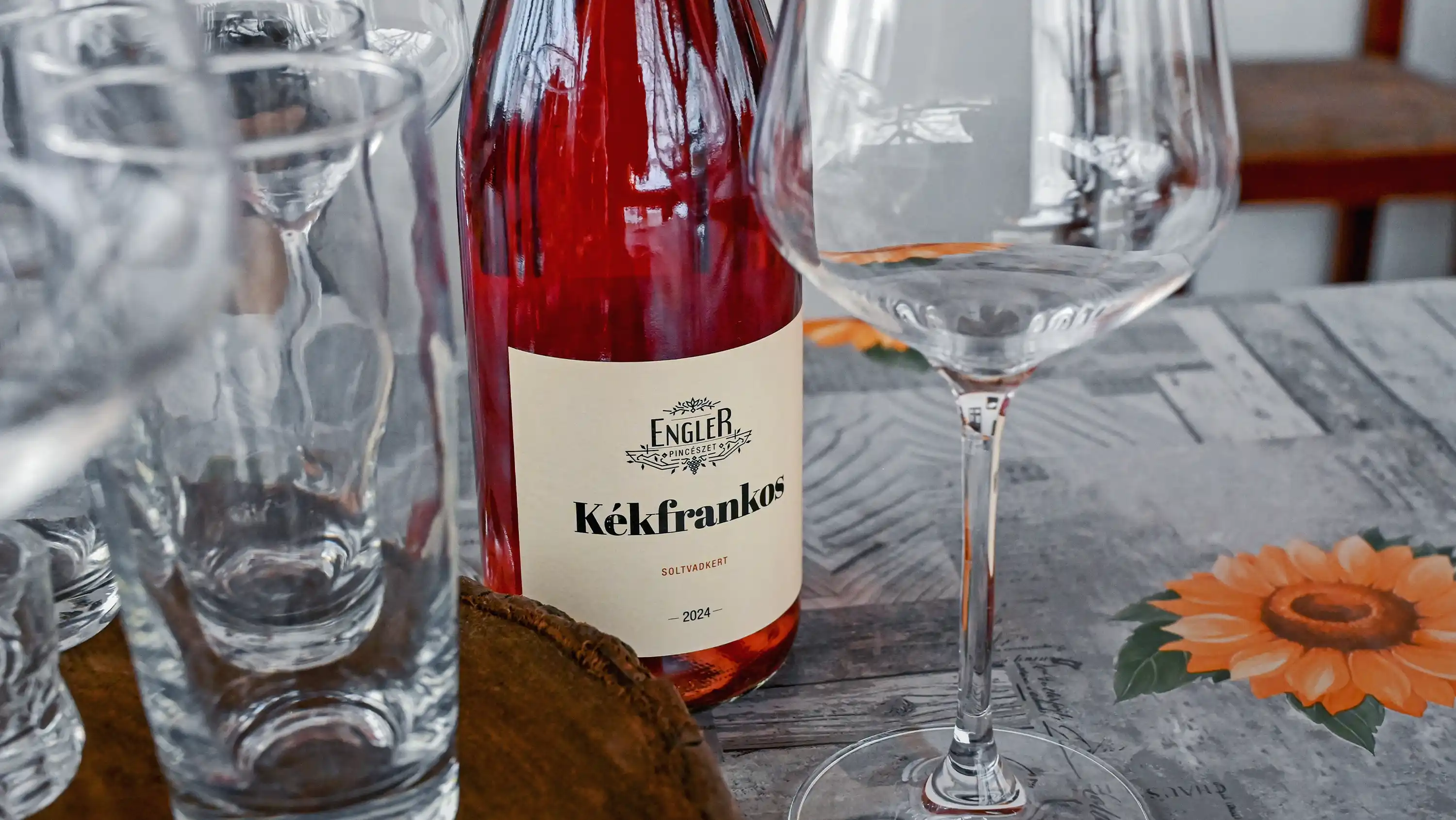
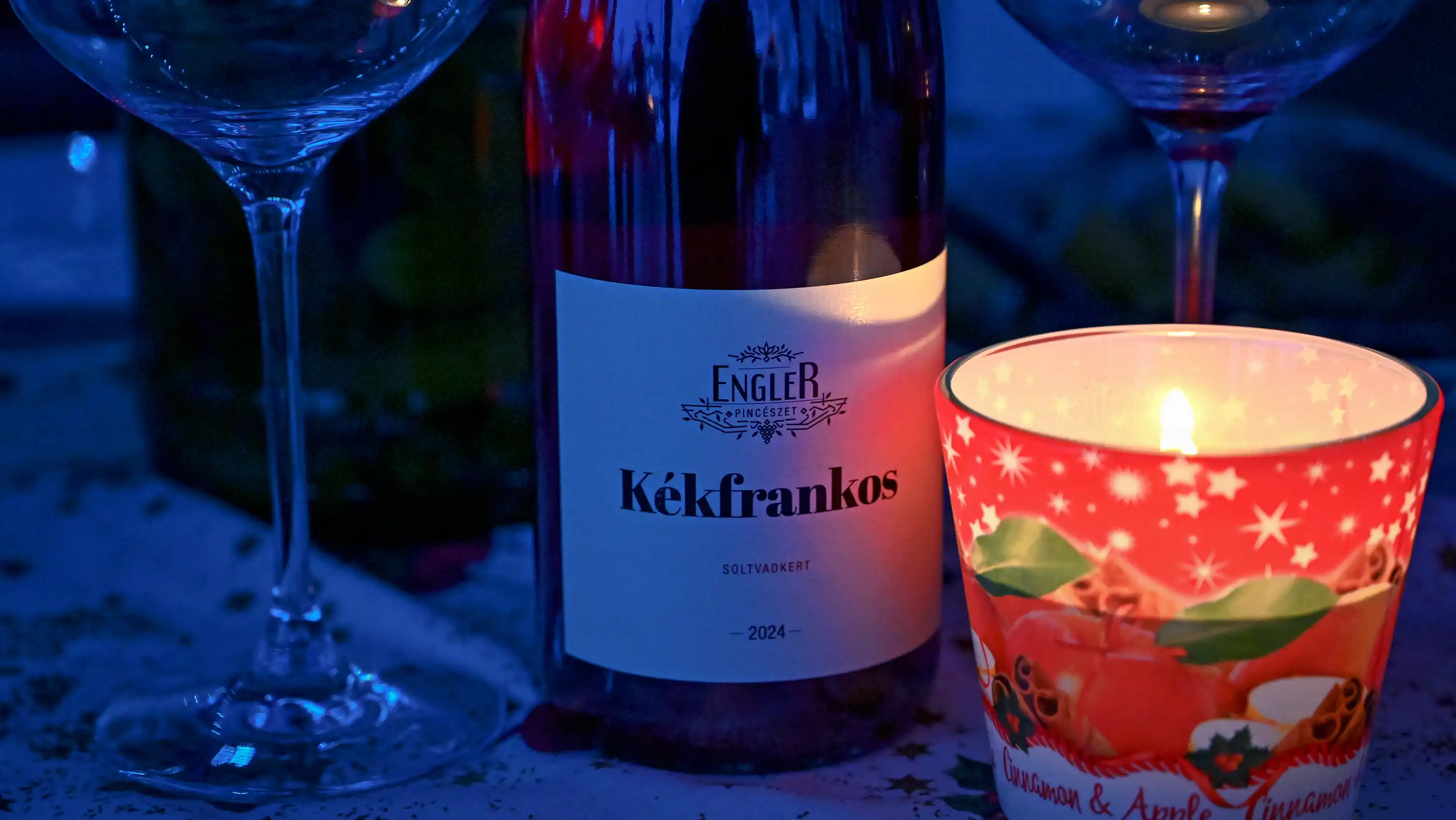
Kunsági KÉKFRANGOS dry red wine. Wine with a protected designation of origin.
alc: 11.5 %
NBVT
I AM INTERESTED >Product of Hungary
The delivery of products is possible with individual transport orders, using our own transport vehicles or those provided by subcontractors.
Important information: The transition to organic farming requires a three-year transition period specified by law, therefore wines produced during this time cannot yet officially bear the "bio" or "ecological" label.
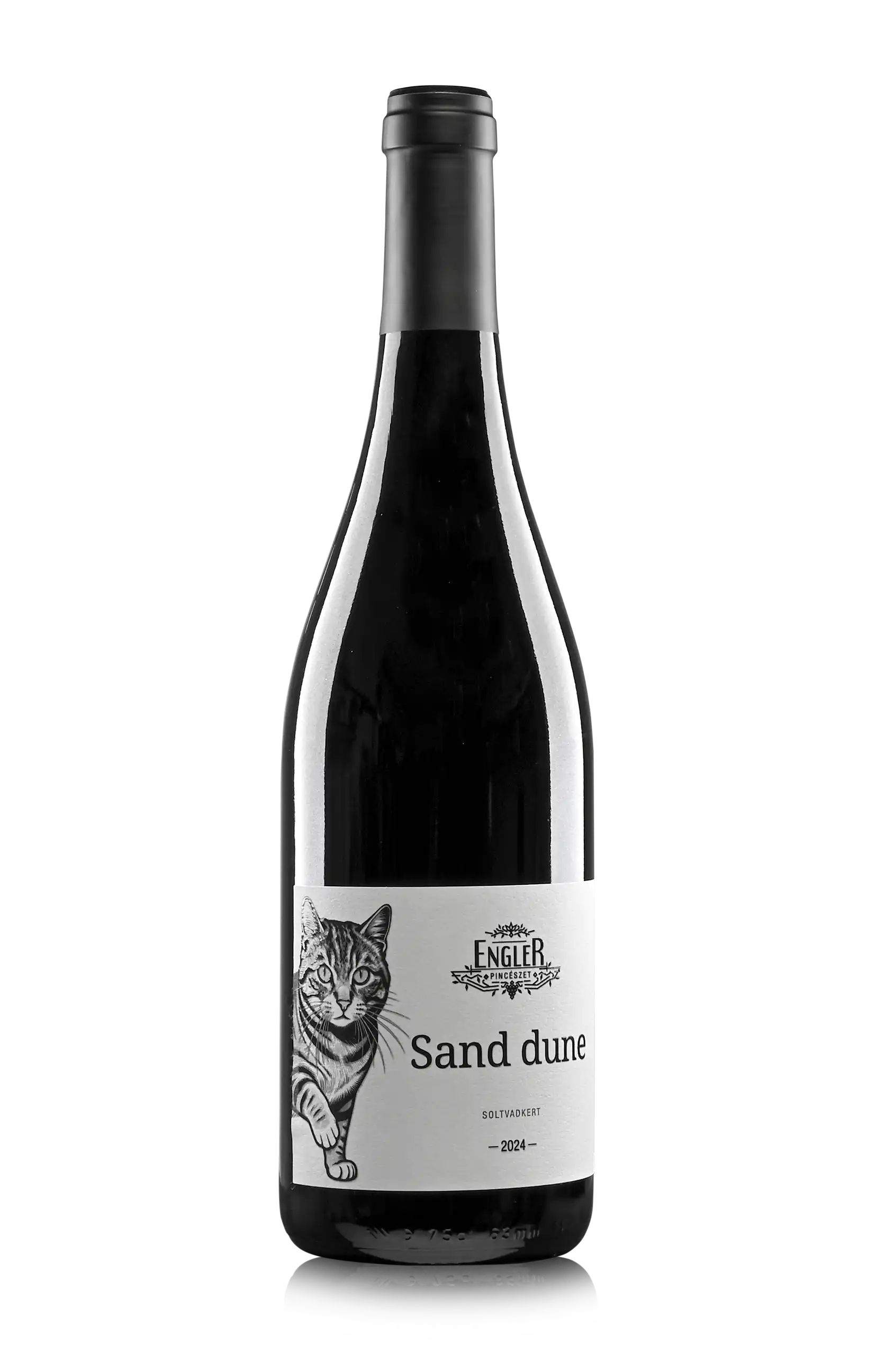
Kunsági KÉKFRANGOS dry red wine. Wine with a protected designation of origin.
alc: 10.5 %
NBVY
I AM INTERESTED >Product of Hungary
The delivery of products is possible with individual transport orders, using our own transport vehicles or those provided by subcontractors.
Important information: The transition to organic farming requires a three-year transition period specified by law, therefore wines produced during this time cannot yet officially bear the "bio" or "ecological" label.
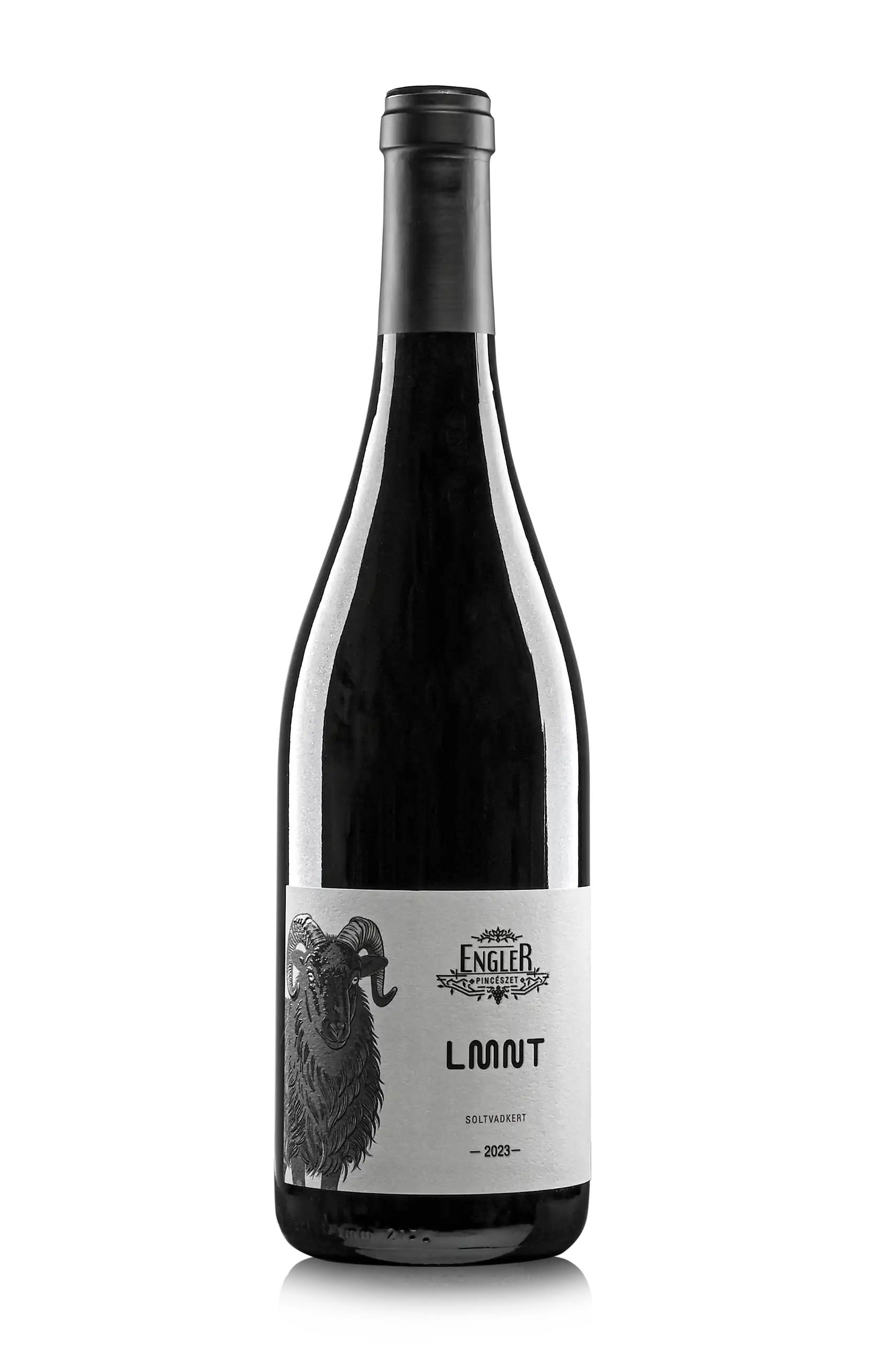
Kunsági KÉKFRANGOS dry red wine. Wine with a protected designation of origin.
alc: 11.5 %
NBVM
I AM INTERESTED >Product of Hungary
The delivery of products is possible with individual transport orders, using our own transport vehicles or those provided by subcontractors.
Important information: The transition to organic farming requires a three-year transition period specified by law, therefore wines produced during this time cannot yet officially bear the "bio" or "ecological" label.
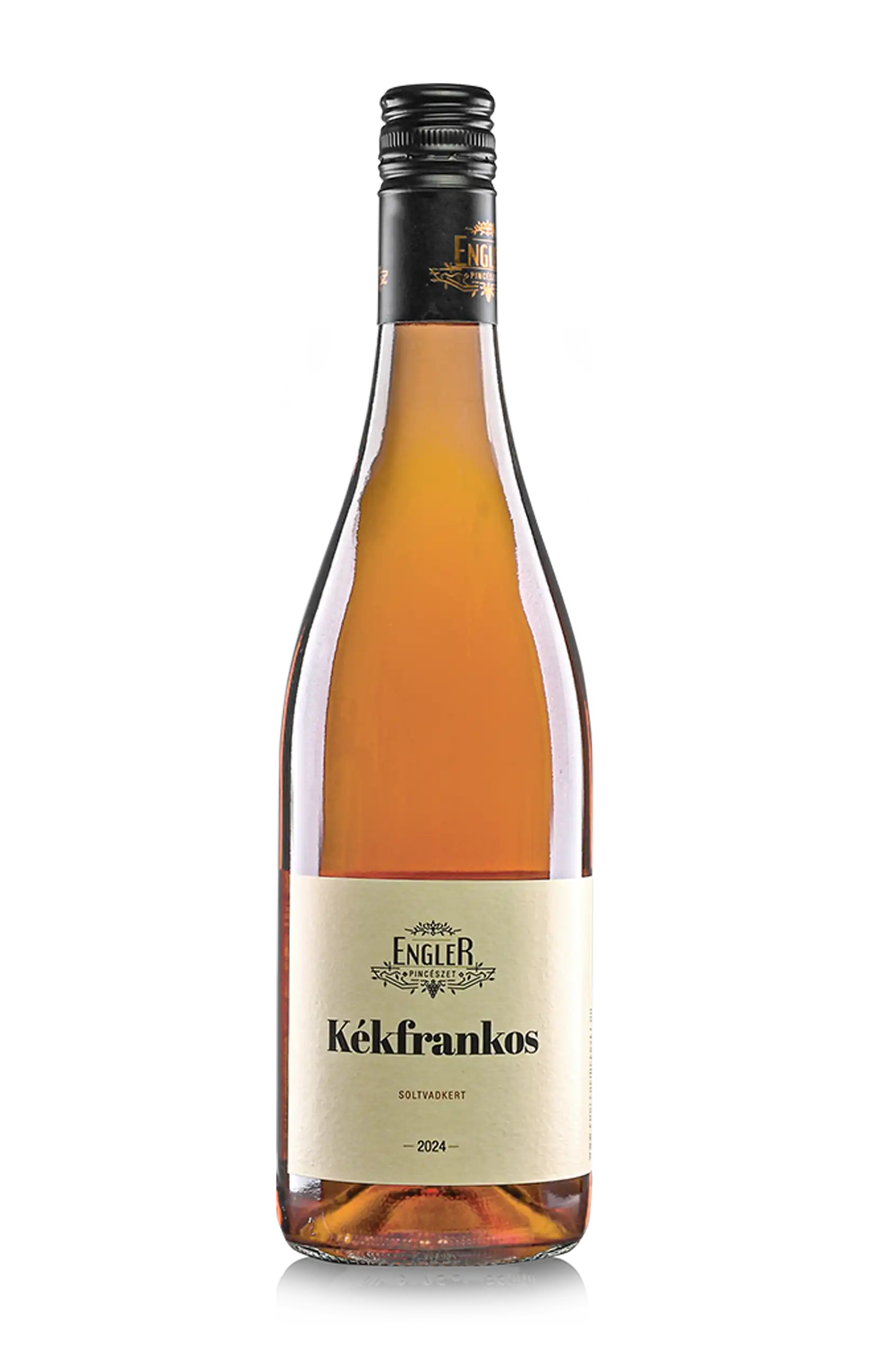
Kunsági KÉKFRANGOS dry red wine. Wine with a protected designation of origin.
alc: 11.5 %
LSHE
I AM INTERESTED >Product of Hungary
The delivery of products is possible with individual transport orders, using our own transport vehicles or those provided by subcontractors.
Important information: The transition to organic farming requires a three-year transition period specified by law, therefore wines produced during this time cannot yet officially bear the "bio" or "ecological" label.
SAND SOIL, FRUITFUL, LIGHT
WINES.
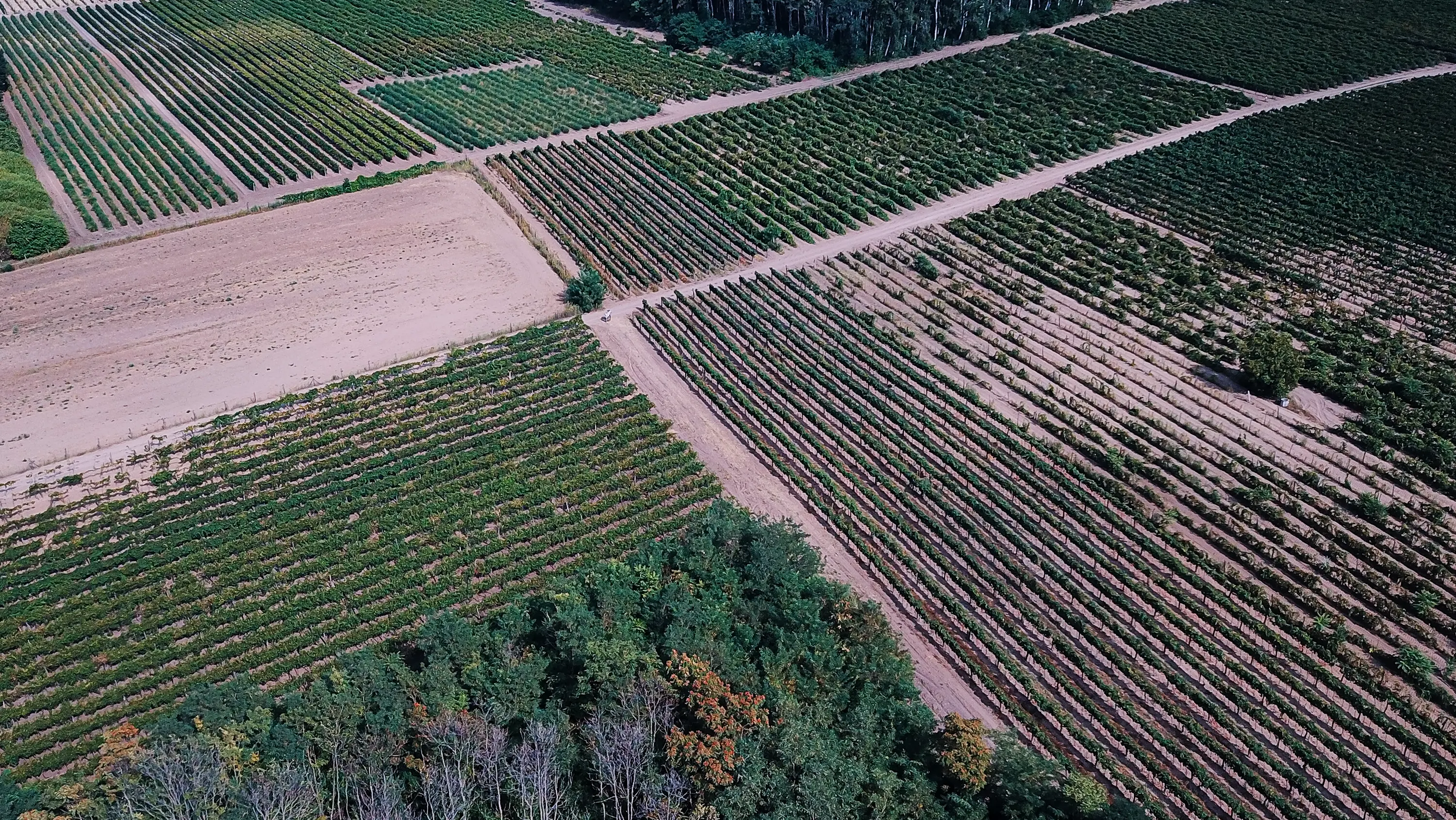
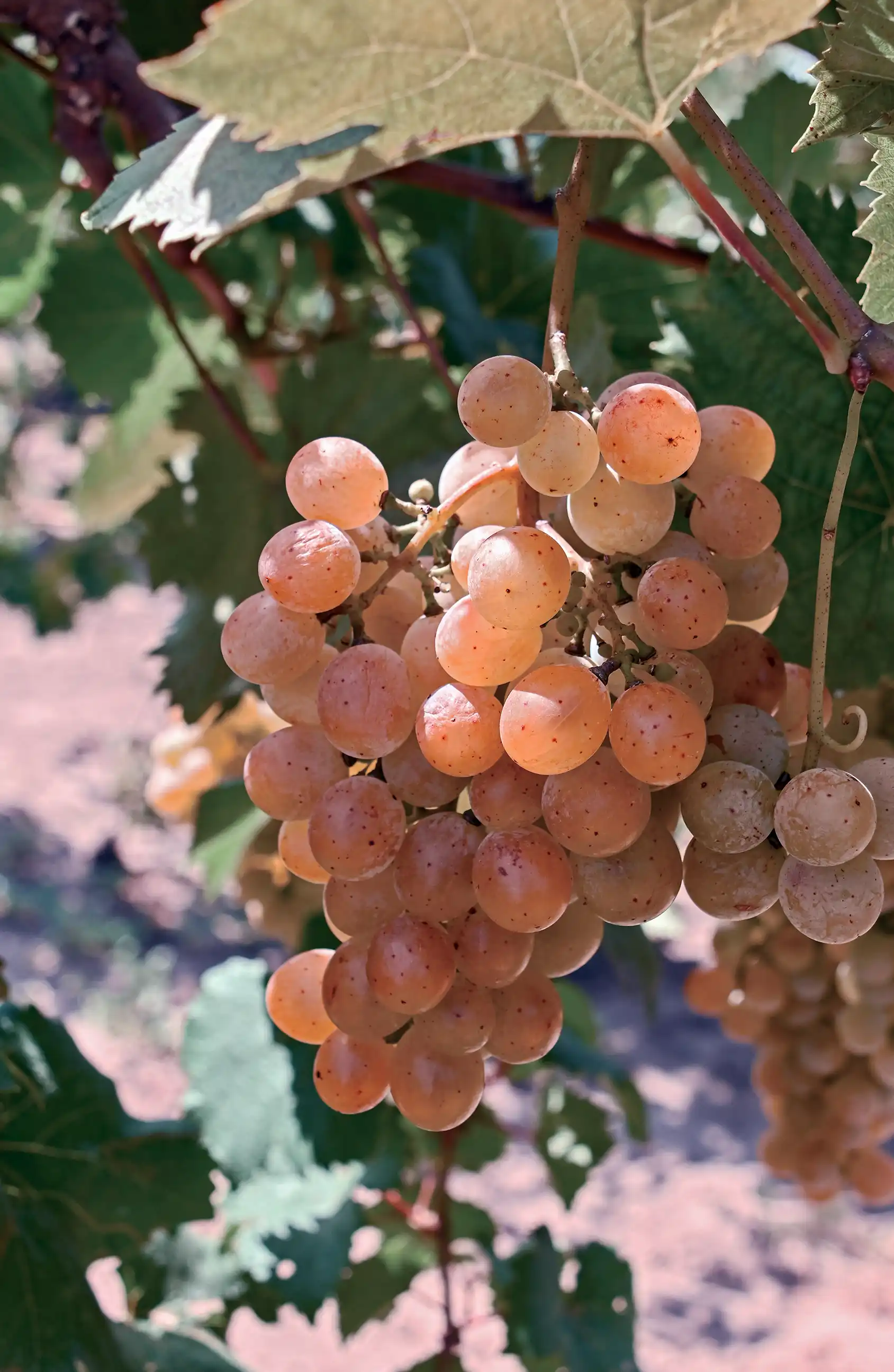
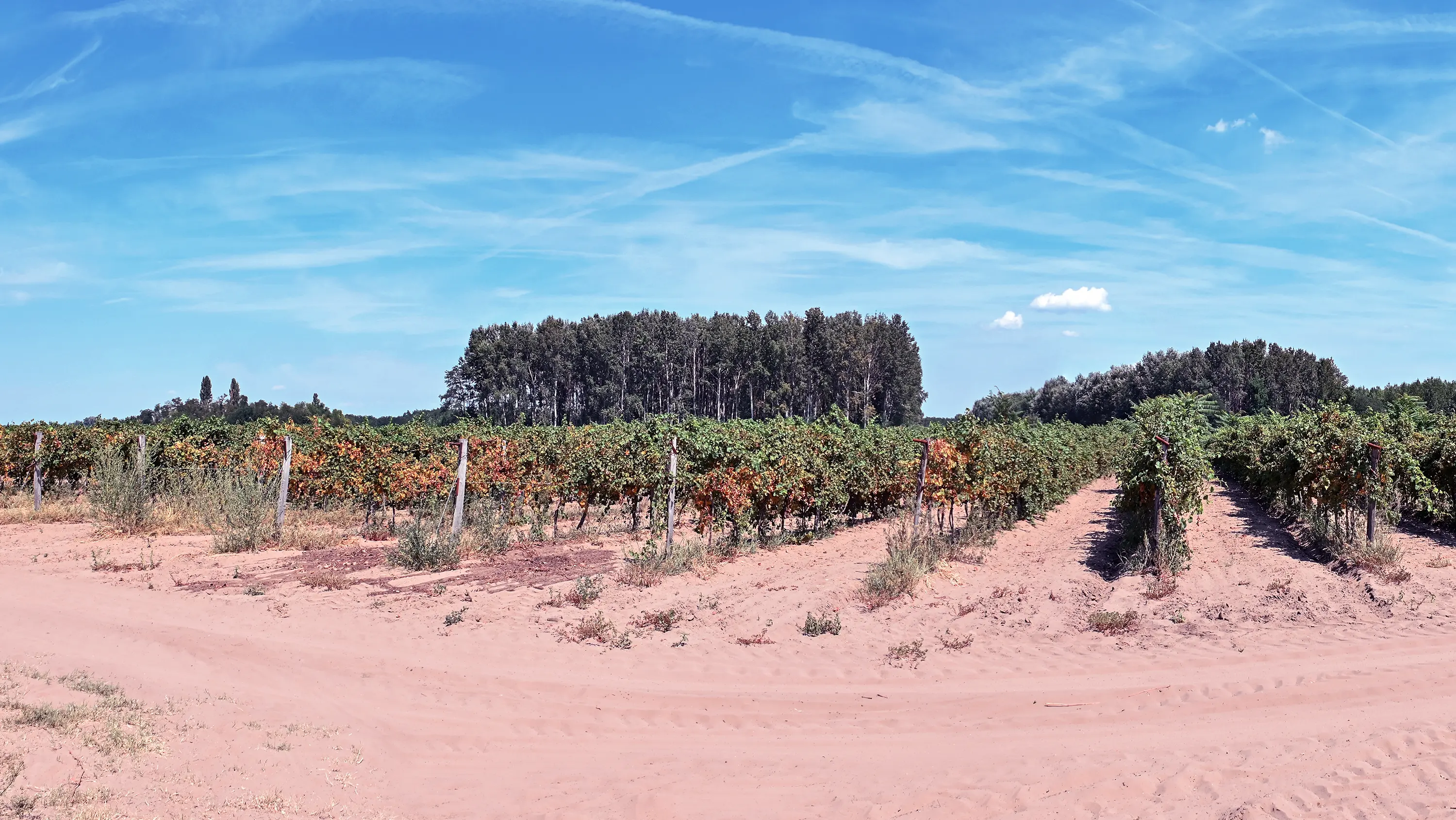
One of the most important features of the Soltvadkert wine region is the sandy soil, which plays a decisive role in the development of the character of the wines. The well-drained soil and favorable climatic conditions provide ideal conditions for the production of fresh, fruity and crisp wines.
Thanks to proper viticulture and careful green work, the grapes retain their natural acidity and intense fruity aromas. The wines produced in this way are light, low in alcohol and extremely drinkable, making them a defining representative of the Soltvadkert wine region style.
ORGANIC FARMING:
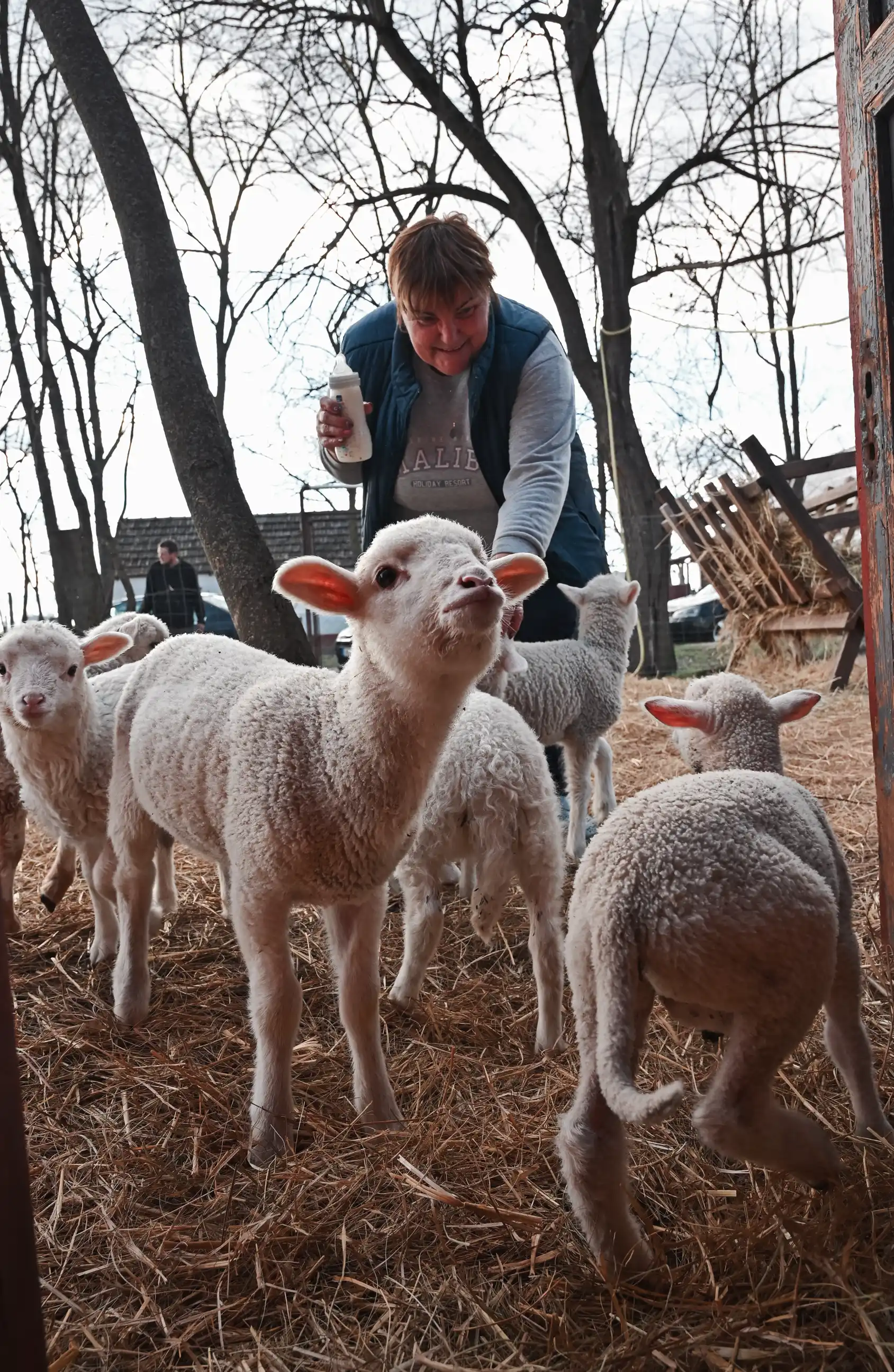
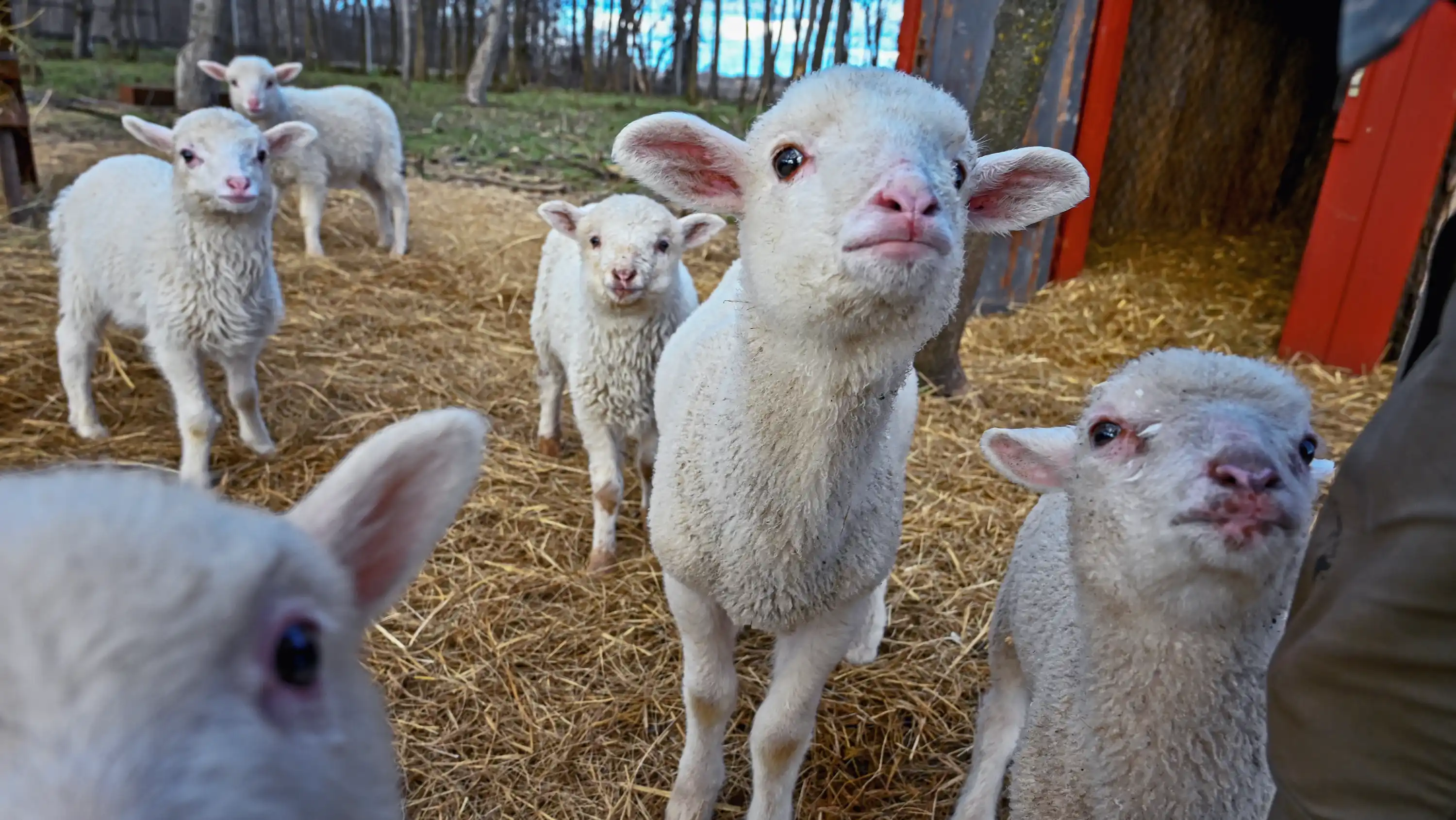
A key element of sustainability is the application of circular economy principles, ranging from the valuation of by-products such as pomace to the optimization of water and energy use. The regenerative approach is the most comprehensive and least formalized philosophy, going beyond compliance with regulations and focusing on actively restoring the ecosystem, rebuilding soil health and sequestering carbon through practices such as growing cover crops or grazing animals among the vines. The adoption of sustainable practices is strongly influenced by the personal commitment of winemakers and their participation in professional networks. The methods often come at a higher cost, and producers see the long-term economic potential in premium pricing and recognition from a conscious consumer base.
ORGANIC WINES AND GASTRO EXPERIENCE.
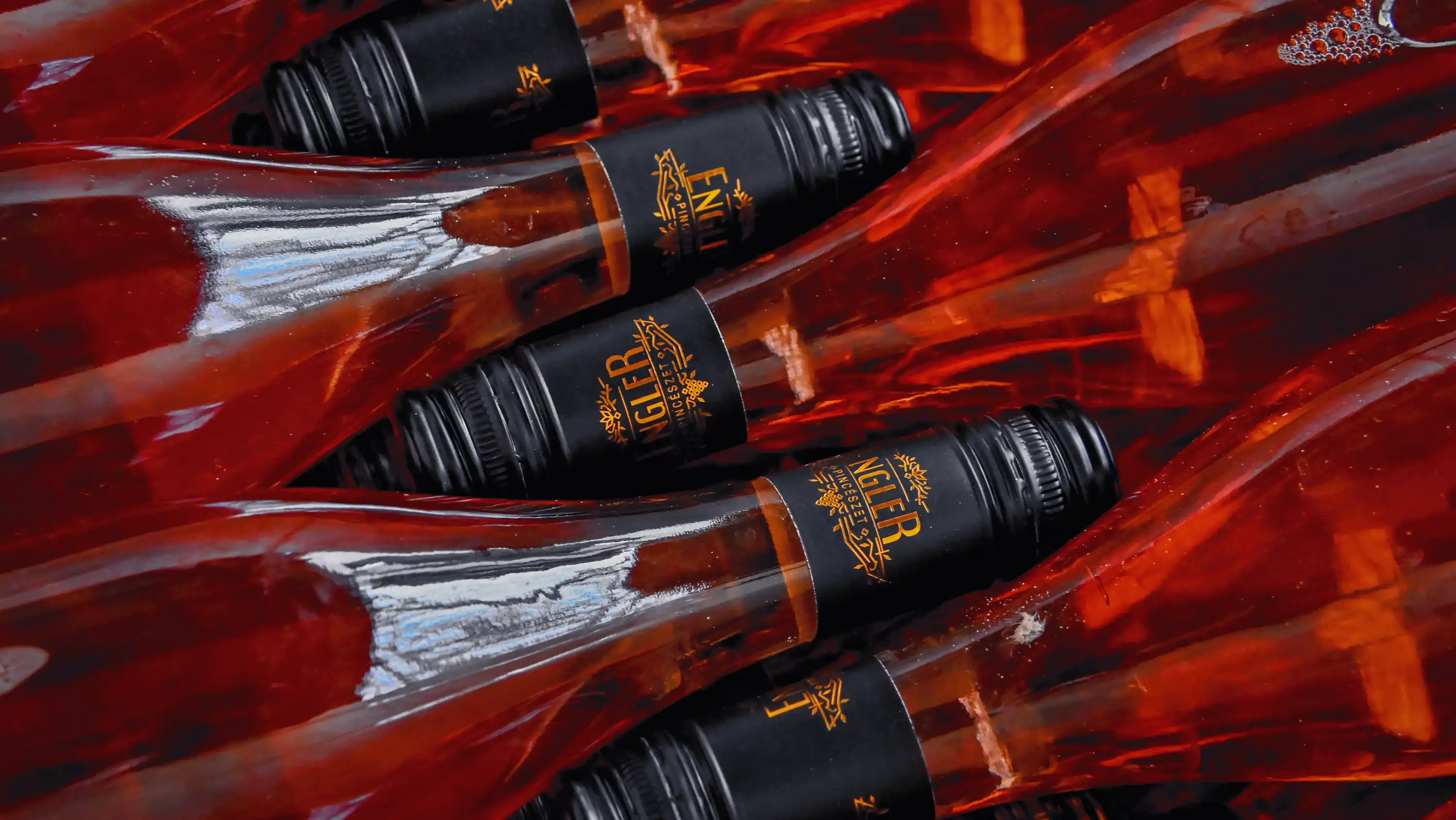
The organic wines of Engler Winery owe their fresh, fruity character to the sandy soil and favorable natural conditions of the Kunság Wine Region. Careful viticulture and a close-to-nature approach result in wines that faithfully reflect the characteristics of the growing area.
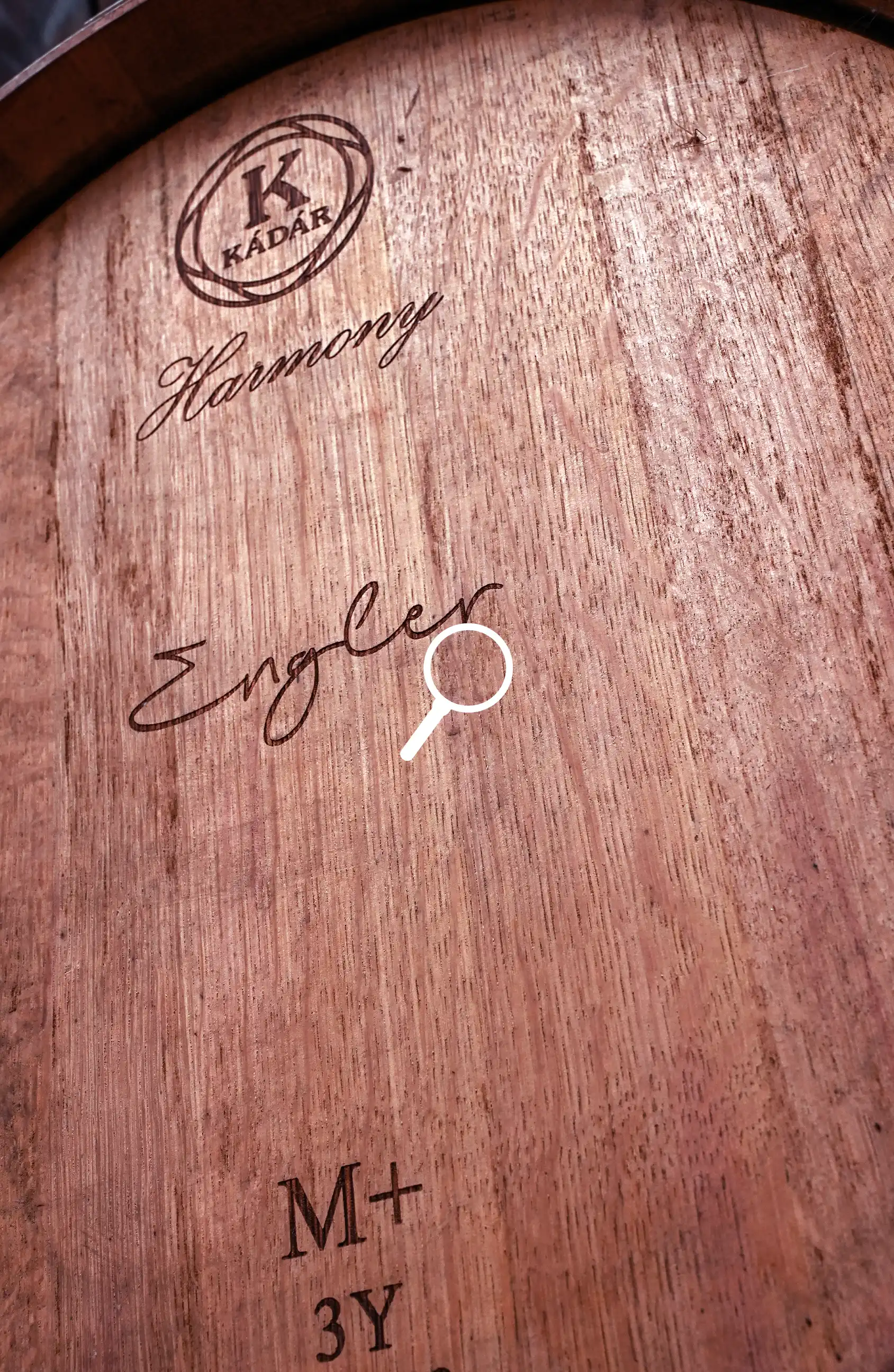
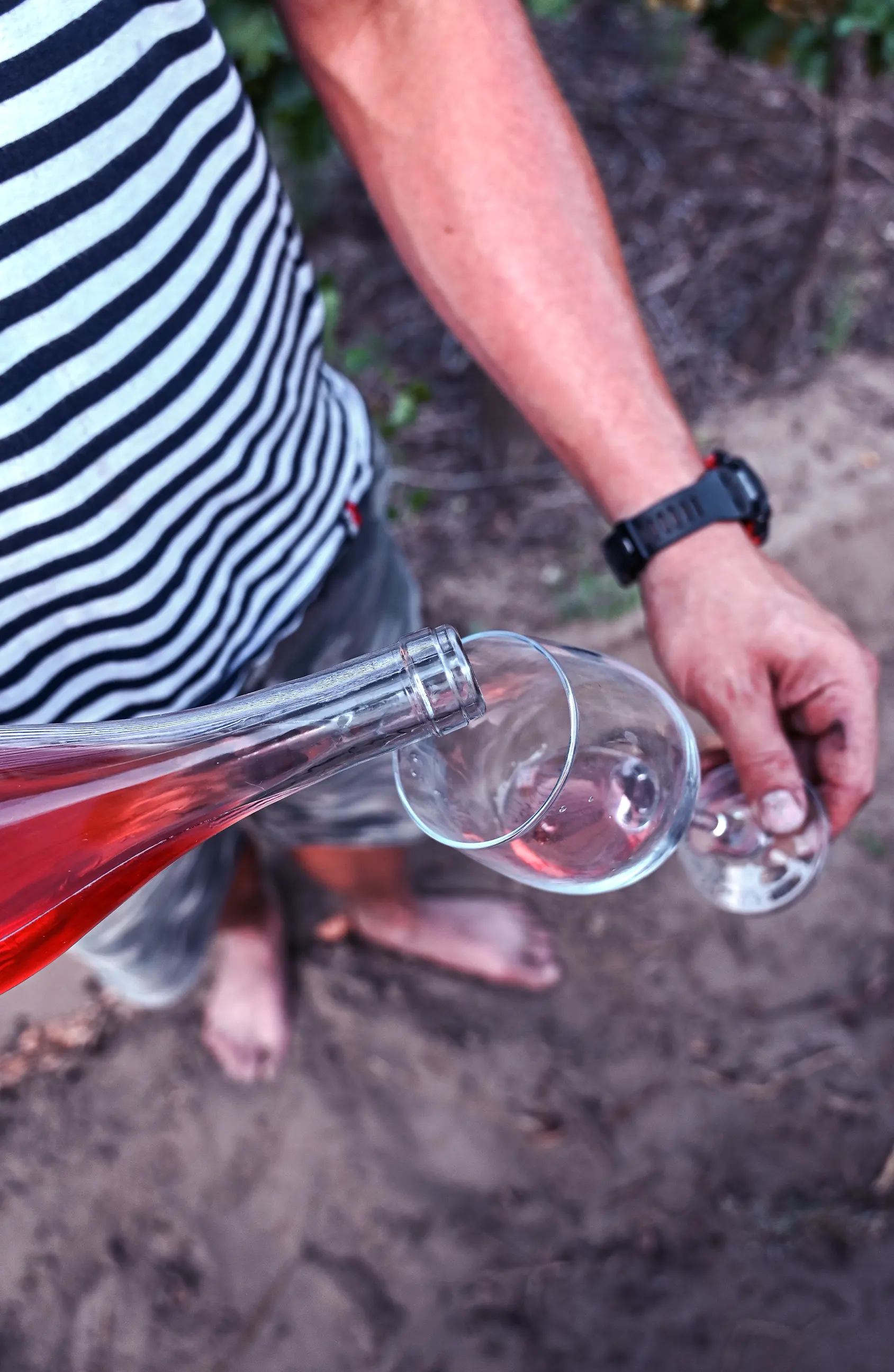
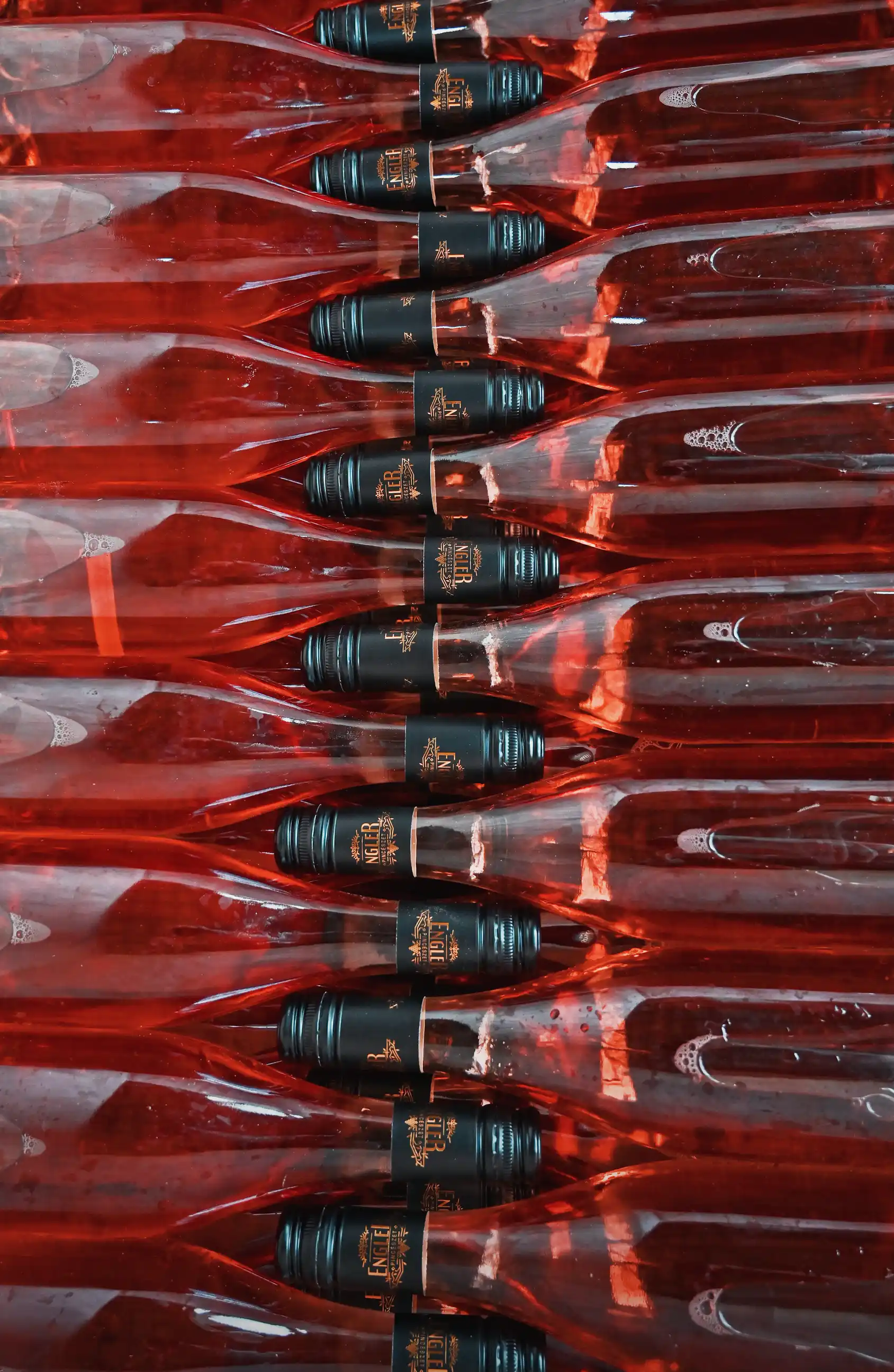
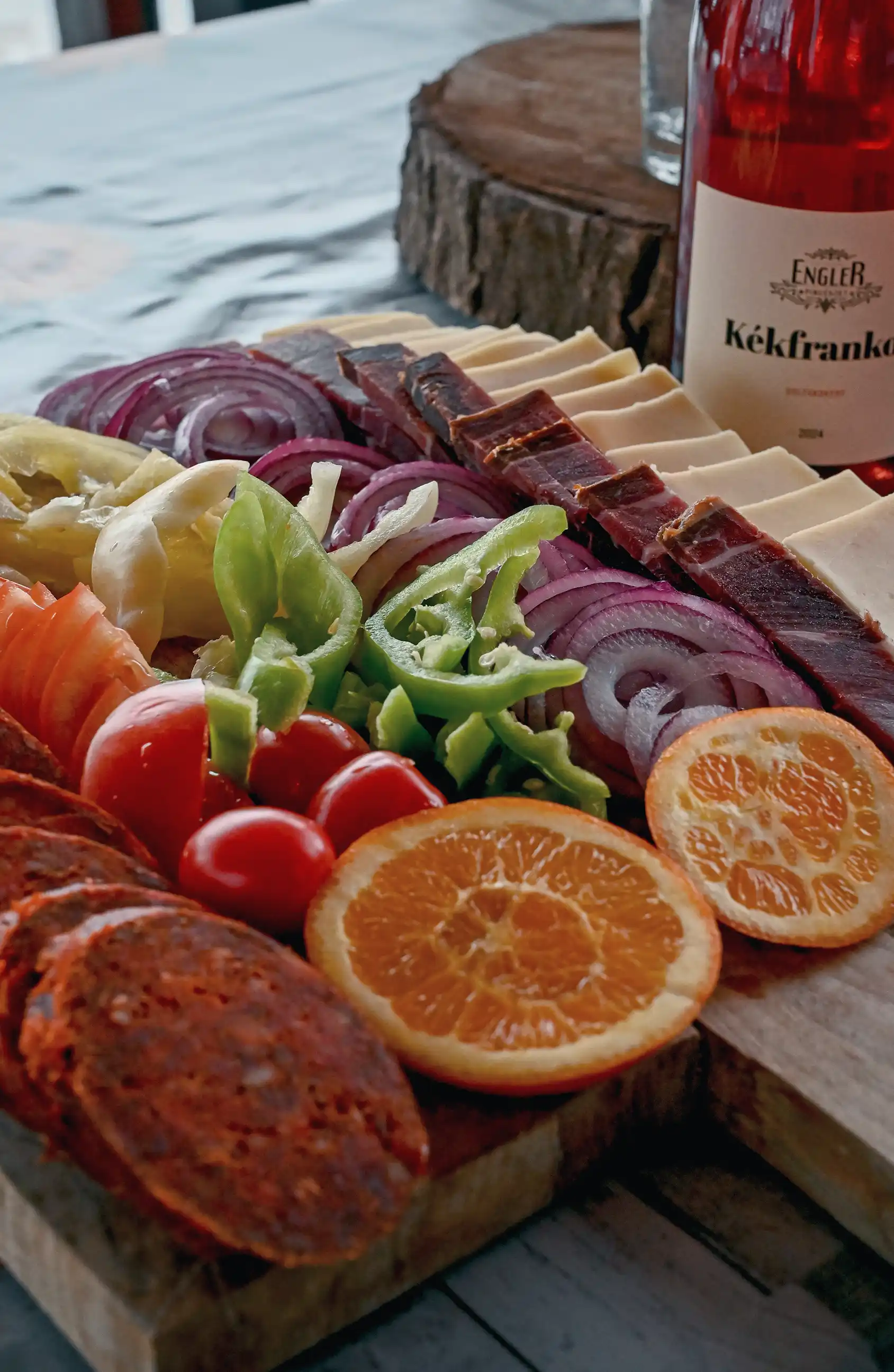
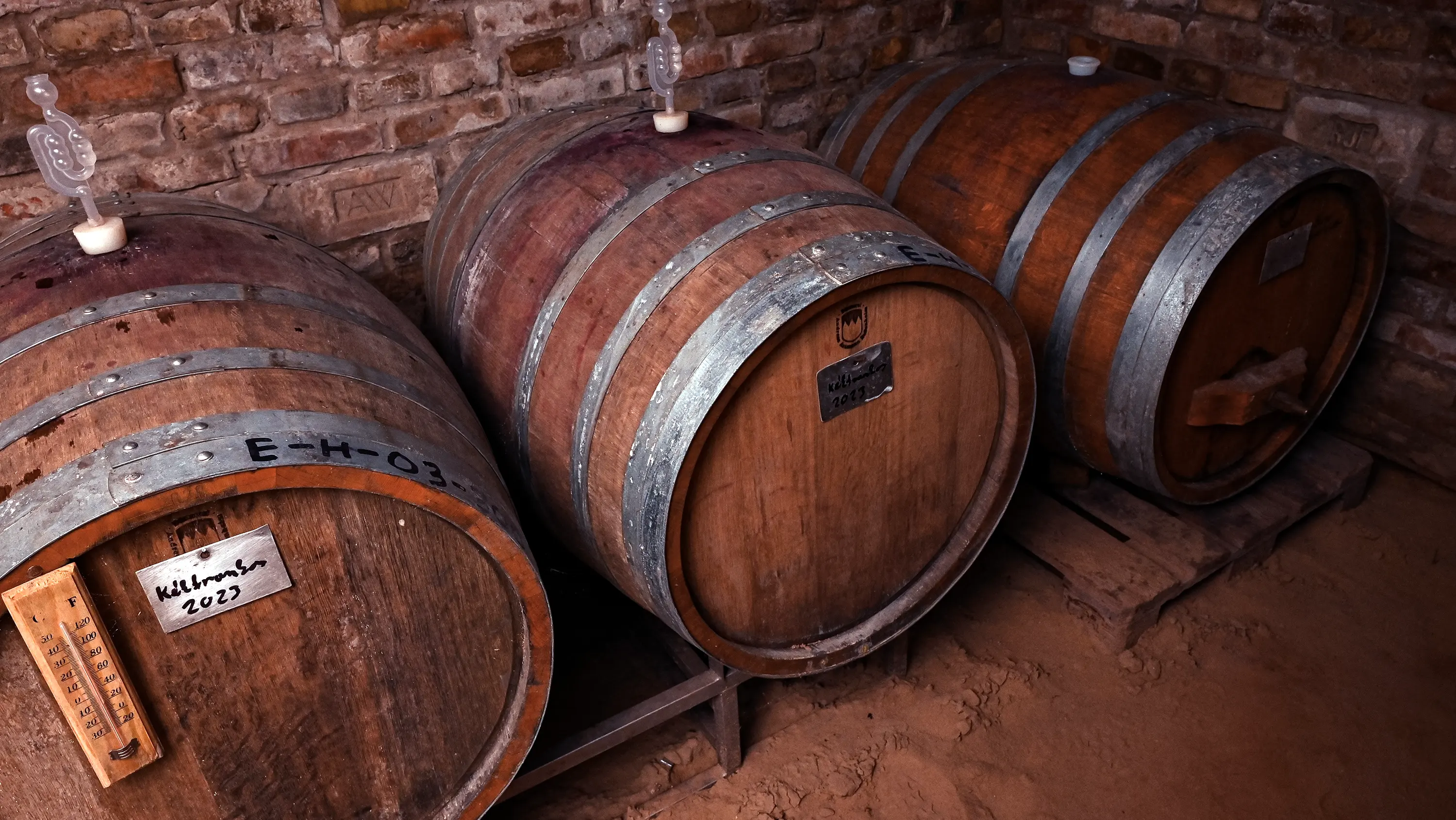
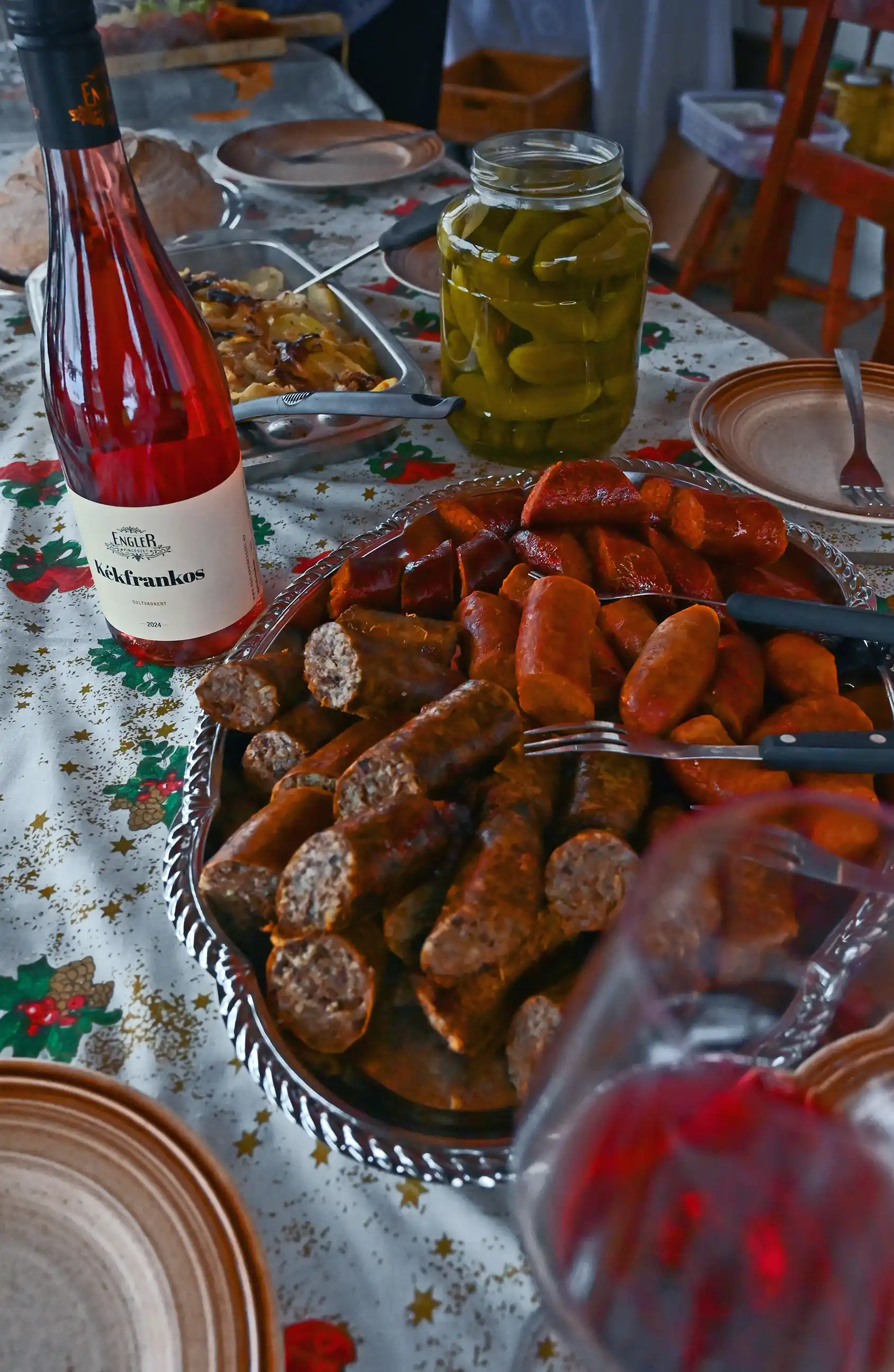
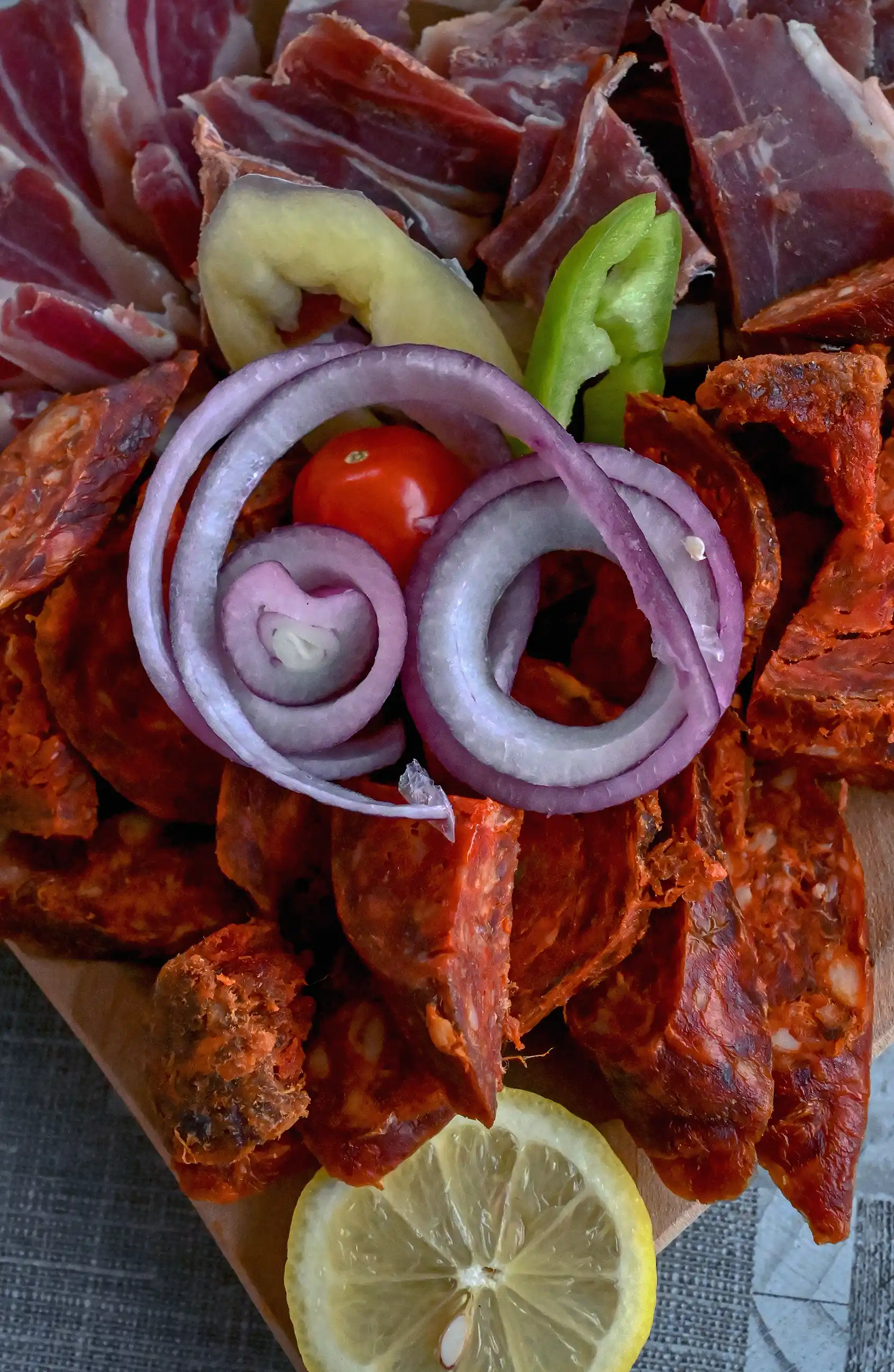
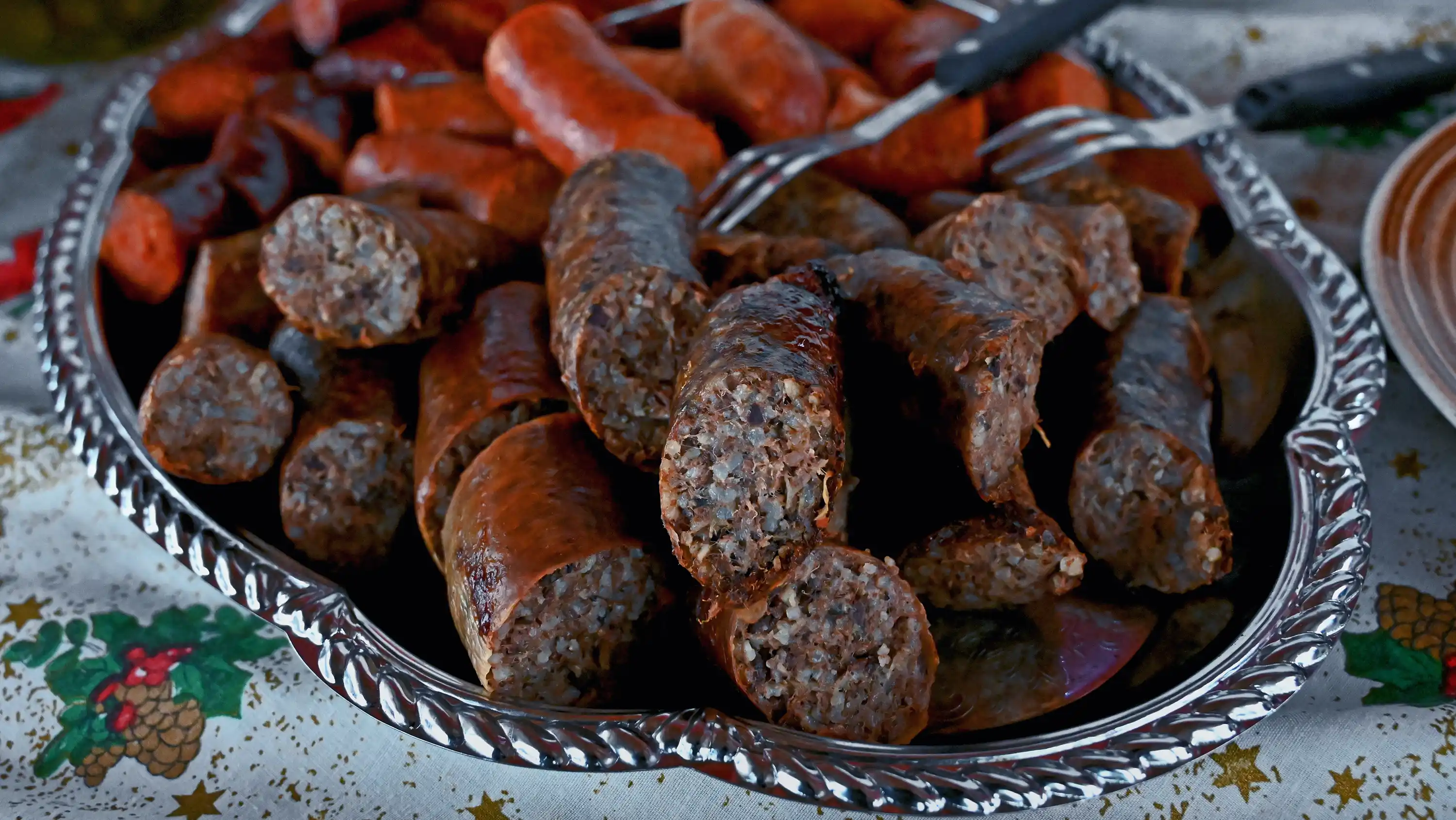
The winery's range includes light, fresh, more acidic rosés and full-bodied, barrel-aged red wines, which are excellently paired with traditional Hungarian cuisine. Our wines provide a harmonious taste experience with properly seasoned meat dishes, stews, roasts or grilled dishes, highlighting the rich aromas of the dishes.
The wines of Engler Winery are not just drinks, but represent the meeting of the natural features of the Danube-Tisza region, local viticulture traditions and modern ecological approaches. Each bottle reflects the uniqueness of the growing area and the commitment to quality winemaking.
SOLTVADKERTI ENGLER WINES –
A HARMONY OF TRADITION, MODERNITY AND AWARENESS.
Soil fertility management: The foundation of sustainable winemaking is maintaining soil health, which is aided by cover crops, composting, and minimized fertilizer use, thereby increasing biodiversity.
Organic and biodynamic winemaking: Farming that operates according to strict regulations (e.g. EU organic label), where the use of synthetic chemicals is prohibited, and work based on the phases of the moon (e.g. harvest, pruning) also plays an important role.
Water management: Reduced water use in irrigation, rainwater harvesting and the use of soil moisture conservation techniques (e.g. mulching) to combat drought.
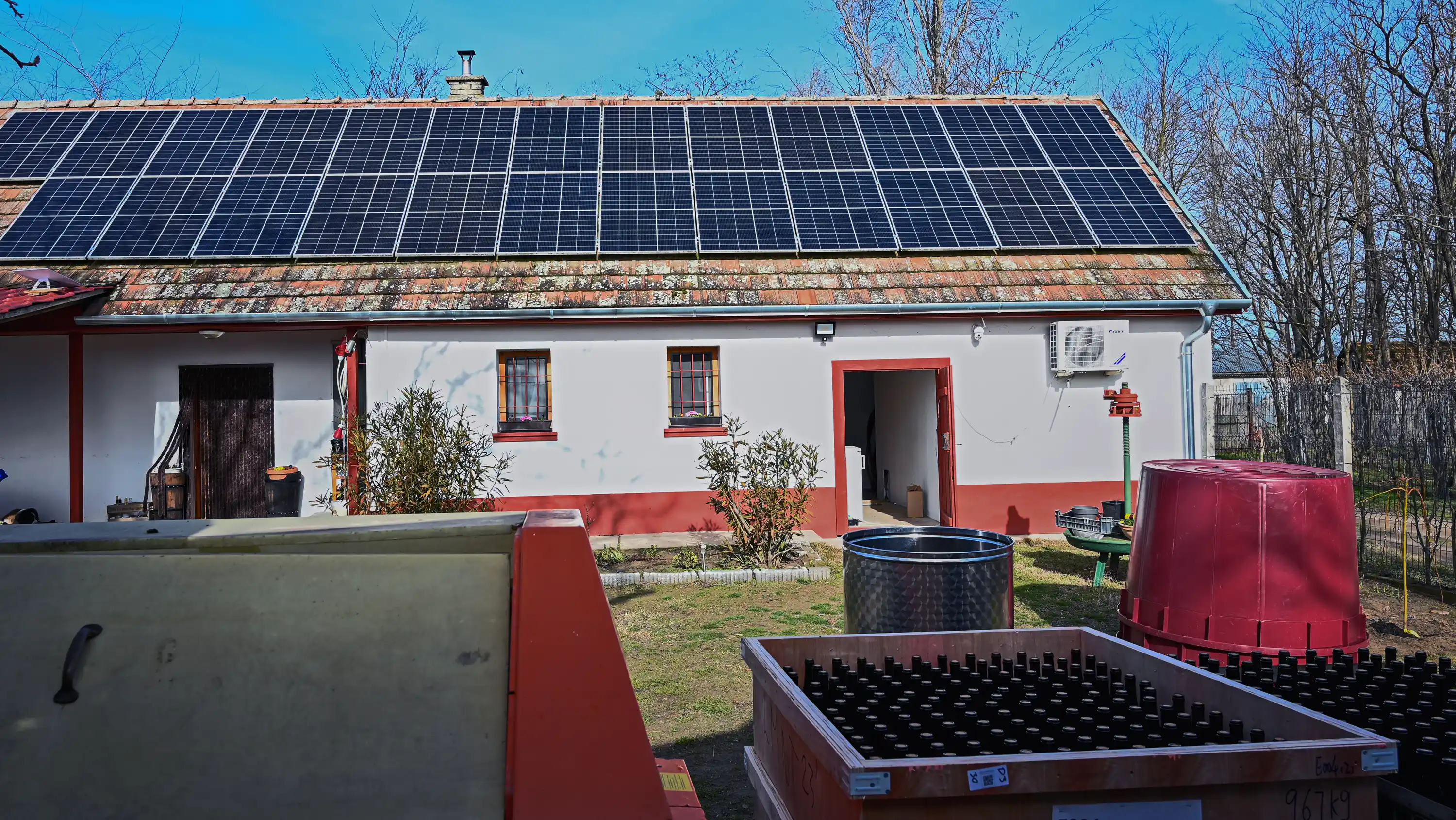
Green energy and CO₂ footprint reduction: Use of solar and wind energy in the cellars, use of lightweight glass and recycled packaging materials for transportation.
integrated pest management (IPM): The use of natural methods (e.g. predatory insects, plant extracts) to control pests and diseases, as opposed to chemical agents.
Waste reduction: Recycling of grape processing by-products (pomace, grape seeds) (e.g. brandy, oil, fertilizer) and minimizing the use of plastic in wine cellars.
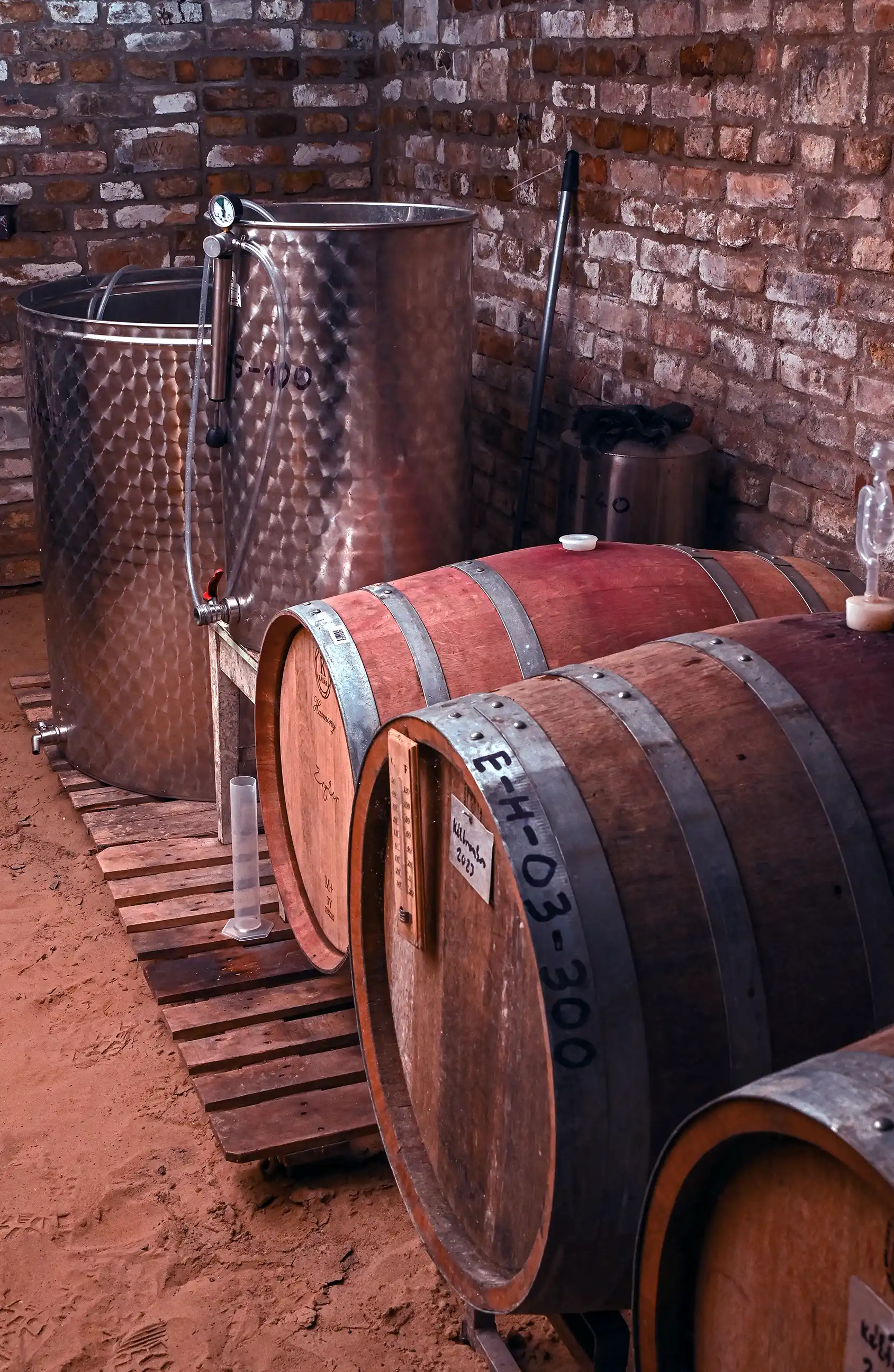
Environmentally conscious aging: Using barrels and tanks made from sustainable materials (e.g. FSC certified wood) and traditional stone or clay pots for more sensitive treatment of wines.
+1. Community and economic sustainability: Involving local communities, fair trade and passing on winemaking knowledge to future generations.
(The methods aim to be resilient to climate change and preserve the quality of wines while protecting nature.) Can be naturalized.

(Winemaking is not just an economic activity, but a lifestyle and a passion!)
I AM INTERESTED >The magic of terroir: I love making wine because the unique relationship between grapes and soil (terroir) allows each vintage to tell a special story – as if I were pouring the sound of the earth into the glass.
Creative challenge: Winemaking is a combination of art and science, where decisions (pruning, harvest time, aging techniques) represent a new adventure every year – and the final product is a personal signature.
Admiration of Nature: I love watching the grapes produce different flavors year after year. I enjoy working with the cycles of nature, which create a connection between the earth and man.
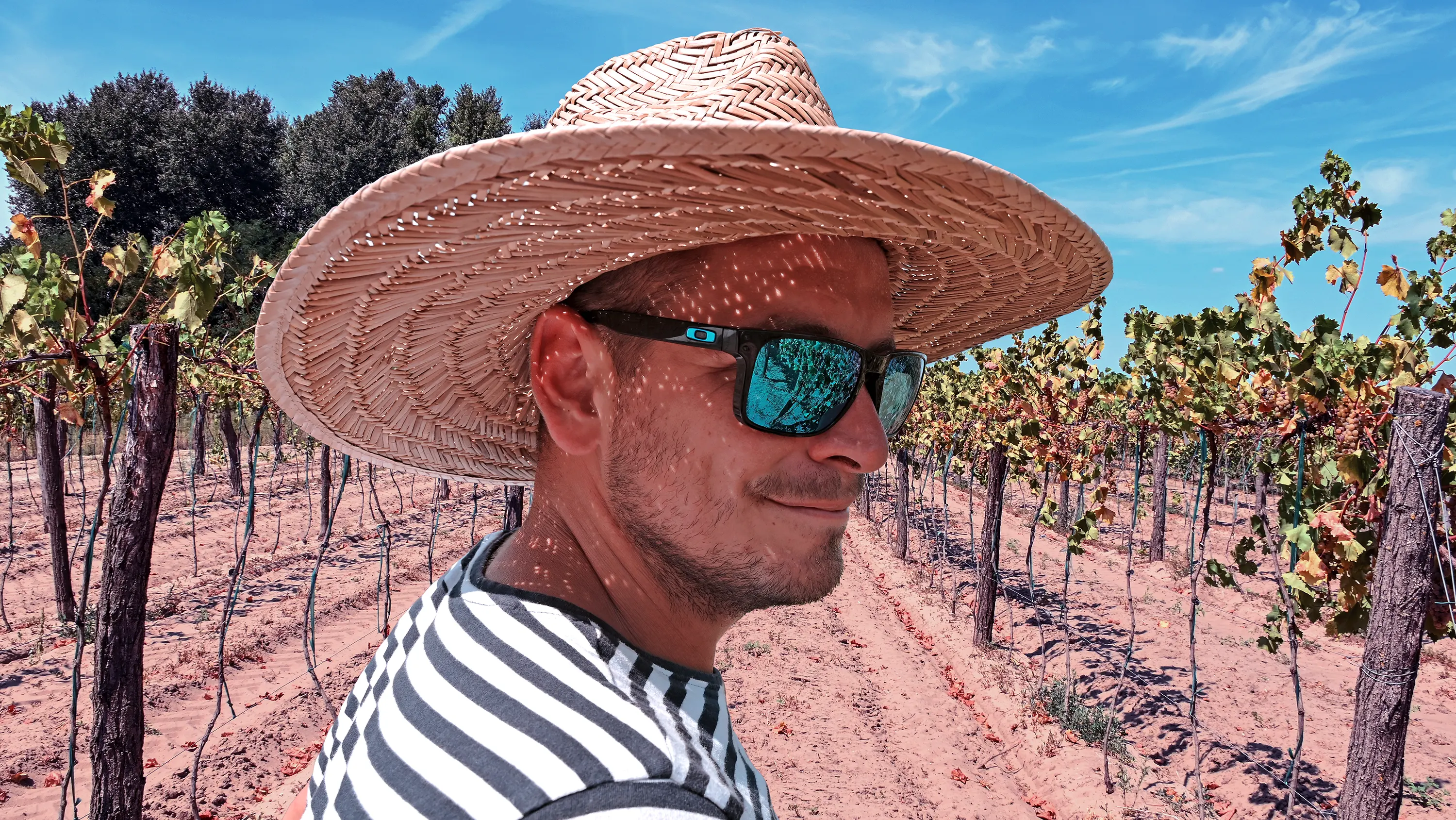
+1. Sharing happiness: The greatest joy is when our wine brings a smile to people's faces. A glass of wine can create memories on any topic.
Joyful community: Winemaking is not just a job, but a passion that is passed down through generations and that brings people together - whether they are winemakers or wine enthusiast in any environment.
A timeless lesson: Every bottle is a lesson in patience (maturation), adaptation (climate change), and love (attention to detail) – this is the wisdom winemakers love to pass on.
Zsolt Engler Gergő
Grape grower winemaker
6230 SOLTVADKERT, BÜDÖSTÓDŰLŐ TANYA 20.